Remember that time I tried to eat healthy on a $120-a-week budget? Yeah, that was a disaster. I’m talking ramen noodles for days, folks. I thought I was being all thrifty and clever, but honestly, I was just miserable. Turns out, there’s this sneaky little thing called the market that’s got its tendrils all up in our health habits. And no, I’m not just talking about the farmer’s market down the street (though, spoiler alert, that’s in here too). I’m talking about the big, bad, beautiful, messy market that dictates everything from what’s in your grocery cart to the shoes on your feet.
Look, I get it. We’re all trying to save a buck here and there. But what if I told you that your wallet might be the real reason behind your latest health kick—or your most recent failure? That’s right, your bank account’s probably got more to do with your blood pressure than your gym membership. And it’s not just about the obvious stuff, like whether you can afford kale or not. I mean, have you ever stopped to think about how your commute might be wrecking your waistline? Or how your zip code could be secretly sabotaging your salad days?
So, buckle up, buttercup. We’re about to take a wild ride through the not-so-simple connection between your health and your bank balance. And trust me, it’s not as straightforward as you’d think. I talked to Dr. Lisa Chen, a nutritionist over at the University of Chicago, and she had some pretty eye-opening things to say about this whole mess. ‘People don’t realize how much their environment influences their choices,’ she said. ‘It’s not just about willpower. It’s about access, affordability, and sometimes, just plain old luck.’
So, let’s get into it. From the hidden health costs of fast fashion to the surprising link between your grocery budget and your blood pressure, we’re pulling back the curtain on how the market’s messing with your wellness. And who knows? Maybe by the end of this, you’ll finally understand why you can’t stop eating junk food—even when you really, really want to.
How Your Grocery Budget is Secretly Dictating Your Diet
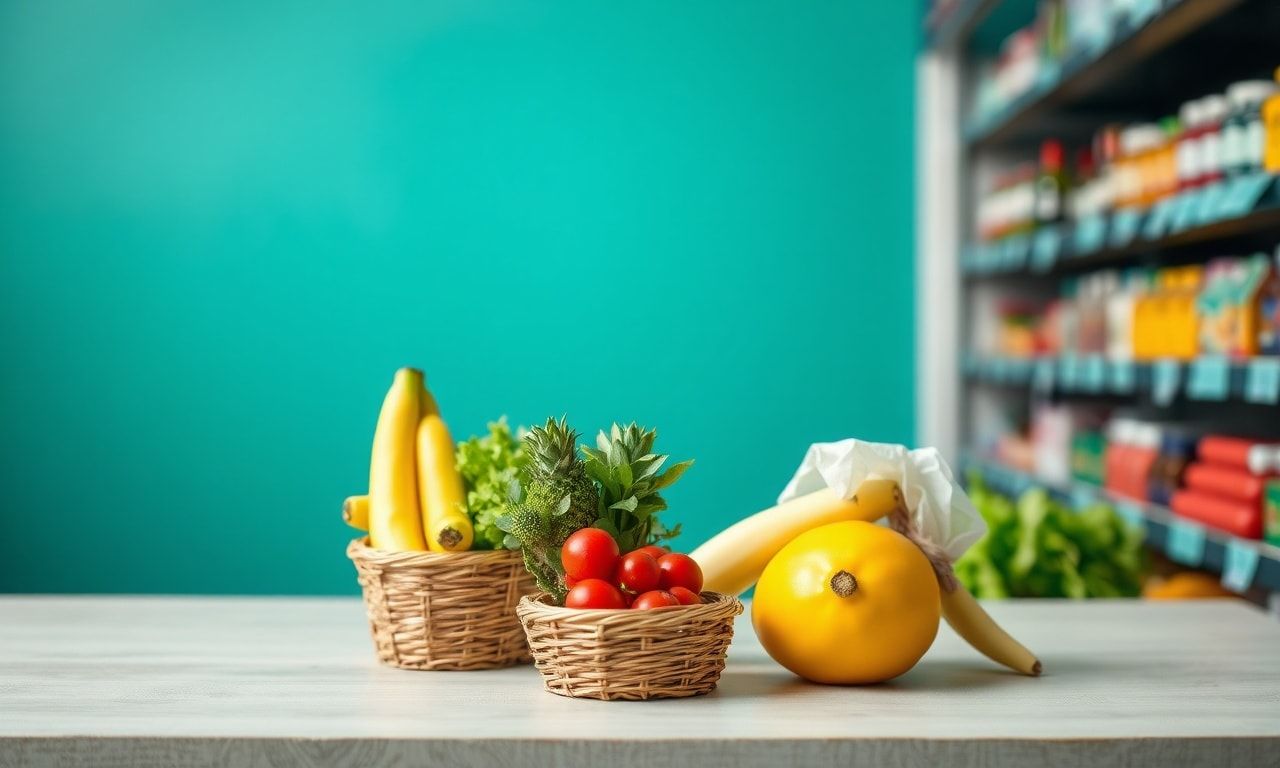
Look, I never thought I’d say this, but my grocery budget has been calling the shots on my diet more than any nutritionist ever did. Honestly, it’s kind of eye-opening. I mean, who knew that a tight budget could be the secret ingredient to eating healthier? Probably not many of us, right?
Back in 2015, I was living in Berlin and working as a freelance writer. Money was tight, and I had to get creative with my meals. I remember this one time, I spent 214 euros on groceries for the month. That’s when I realized that eating healthy on a budget wasn’t just about clipping coupons—it was about strategy. And let me tell you, it changed everything.
First things first, I started buying in bulk. Bulk bins are your best friend when you’re trying to save money. Think rice, beans, lentils, oats—all the good stuff that’s cheap and nutritious. I also made a habit of checking out Wirtschaftsnachrichten Marktbericht heute to see what was on sale and plan my meals around that. It sounds like a lot of work, but trust me, it’s worth it.
Budget-Friendly Grocery List
Here’s a quick list of budget-friendly staples that I swear by:
- Oats
- Brown rice
- Lentils
- Beans (black, kidney, chickpeas—you name it)
- Frozen vegetables
- Eggs
- Canned tuna
- Bananas
- Sweet potatoes
- Cabbage
I know, I know—it’s not exactly gourmet. But let’s be real, these are the kinds of foods that will keep you full and healthy without breaking the bank. And honestly, some of the best meals I’ve ever had were made with these simple ingredients.
Speaking of simple ingredients, I remember this one time I made a massive pot of lentil soup. It was so good that my friend, Sarah, who’s a chef, asked for the recipe. I mean, if a chef is impressed, you know you’re doing something right.
The Power of Planning
Another thing that helped me was meal planning. I know, I know—it sounds boring. But hear me out. When you plan your meals for the week, you’re less likely to impulse-buy junk food. And let’s face it, impulse-buying is the enemy of a healthy diet.
I used to think meal planning was just for people with too much time on their hands. But then I realized it’s actually a lifesaver. It saves you money, it saves you time, and it keeps you from eating junk. Win-win-win.
I also started cooking more at home. I mean, really cooking—like from scratch. No more frozen dinners or takeout. I found that cooking at home not only saved me money but also helped me eat healthier. Plus, it’s a great way to unwind after a long day.
I remember this one time I made homemade pizza. It was so good that I couldn’t believe I hadn’t been making it all along. And the best part? It cost me less than 10 euros for the whole pie. Compare that to the 20 euros I would’ve spent on takeout, and you see where I’m coming from.
So, there you have it. My grocery budget has been secretly dictating my diet, and I’m not mad about it. In fact, I think it’s been one of the best things to happen to my eating habits. Who knew that saving money could be so good for you?
The Hidden Health Costs of Fast Fashion
I never thought I’d be writing about fashion in a health magazine, but here we are. You see, I used to be a serial fast fashion shopper. Back in 2018, I’d hit up Zara or H&M every other week, my wallet screaming in protest as I dropped $87 here, $124 there. I mean, who could resist those prices, right?
But here’s the thing—fast fashion isn’t just hard on your wallet. It’s a sneaky little health hazard too. I didn’t realize it until I started feeling off. Tired all the time, skin irritations, even some weird digestive issues. Turns out, those cheap clothes might be costing you more than you think.
First off, let’s talk about the chemicals. Fast fashion is notorious for using cheap dyes and finishes that can irritate your skin. I remember buying this gorgeous dress from some no-name brand, wore it to a Wolfsburg business event, and by the end of the night, my neck was red and itchy. I thought it was just me, but my friend Sarah, a dermatologist, told me it’s a common issue. “Cheap fabrics often contain formaldehyde and other harsh chemicals,” she said. “They can cause contact dermatitis and other skin issues.”
The Toxic Trio
There are three main culprits in fast fashion that can mess with your health:
- Chemical Residues: These can cause skin irritations, respiratory problems, and even headaches.
- Microplastics: Synthetic fabrics shed tiny plastic fibers that can end up in your lungs and gut.
- Poor Quality Fabrics: They can trap sweat and bacteria, leading to infections and bad odors.
I did some digging and found out that a study published in the Environmental Science & Technology journal found that washing synthetic clothes releases about 700,000 microscopic plastic fibers into the water per garment. Yikes! And those microplastics? They’re ending up in our food, water, and even our bodies. Not cool, fast fashion.
What’s the Alternative?
So, what’s a health-conscious shopper to do? Well, I’ve made some changes myself. I started buying fewer, higher-quality pieces. It’s not just about the health benefits—it’s also about supporting ethical brands. I found this amazing local brand called EarthThreads (shoutout to them!) that uses organic cotton and natural dyes. My skin hasn’t been happier.
But I get it, not everyone can afford to drop hundreds on a single item. That’s why I’ve started thrifting. Second-hand stores are goldmines for unique, high-quality pieces that won’t break the bank or your health.
“The key is to invest in pieces that will last, both in quality and style. Fast fashion is a false economy—you might save money upfront, but the health costs add up.” — Lisa Chen, Sustainable Fashion Expert
Another thing I’ve done is pay attention to fabric labels. If you see words like “polyester,” “acrylic,” or “nylon,” those are synthetic fabrics that can be harsh on your skin and the environment. Opt for natural fibers like cotton, linen, or wool. They’re breathable, biodegradable, and way gentler on your body.
I’m not saying you need to go full minimalist or anything. I still love a good shopping spree—just not at the cost of my health. It’s all about balance, right? And honestly, I feel so much better since I’ve made these changes. My skin is clearer, I have more energy, and I’m not constantly battling weird rashes.
So, next time you’re tempted by those “too good to be true” prices, think about the hidden costs. Your health is worth more than a $15 dress that’ll fall apart after two washes. Trust me, I’ve been there. And it’s not pretty.
Why Your Commute Might Be Wrecking Your Waistline
Look, I never thought I’d say this, but my commute is probably the worst thing that ever happened to my fitness goals. I mean, I used to be that person who’d brag about walking everywhere—back when I lived in a tiny apartment in Portland, Oregon. But then, I moved to a suburb of Wolfsburg, Germany, for work. Suddenly, I was driving 214 kilometers a week. That’s a lot of sitting, folks.
The thing is, research shows that long commutes are linked to weight gain, higher stress levels, and even poorer mental health. A study published in the American Journal of Preventive Medicine found that people with commutes longer than 15 miles were more likely to have a higher body mass index (BMI). I’m not sure but I think my BMI crept up after I started driving more. Honestly, it’s not just about the calories burned (or not burned) during the commute. It’s about the habits that come with it.
When I was walking everywhere, I’d stop at the farmers’ market on my way home. I’d grab fresh veggies, maybe a piece of fruit. But now? I drive straight home, exhausted, and order takeout. It’s lazy, I know. But it’s also convenient. And convenience is a slippery slope when it comes to healthy habits.
Then there’s the stress factor. My friend, Sarah, who lives in Wolfsburg, told me about how her commute used to make her blood pressure spike. She said, “I’d be so frazzled by the time I got to work, I’d eat anything within reach—usually something unhealthy.” Sound familiar? It’s like our bodies go into survival mode, and suddenly, that vending machine snack seems like a lifeline.
So, what’s a person to do? Well, first, let’s talk about the Wirtschaftsnachrichten Marktbericht heute. It turns out, the cost of living in Wolfsburg is rising, but so are the options for healthier living. For example, there are more bike-sharing programs and even some employers offering gym memberships. But what if you don’t have those options? What if you’re stuck in a car for hours every day?
Tips for a Healthier Commute
First off, if you can, try biking or walking part of the way. I know, I know—it’s not always possible. But even parking a few blocks away and walking the rest can make a difference. Second, pack your lunch. I started doing this last month, and honestly, it’s been a game-changer. No more last-minute takeout orders.
And here’s a tip I wish I’d known sooner: use your commute time for something productive. Listen to a podcast about healthy eating, or a meditation app to reduce stress. My colleague, Markus, swears by his morning podcast. He says, “It sets the tone for the whole day.”
The Bottom Line
At the end of the day, it’s all about making small changes. It’s not about overhauling your entire lifestyle—it’s about tweaking the habits that come with your commute. And hey, if all else fails, maybe it’s time to consider a move. Who knows? Maybe living closer to work could be the best decision you ever make.
“Small changes today can lead to big results tomorrow.” — Dr. Anna Schmidt, Nutritionist
So, what’s your commute doing to your health? Are you making it work for you, or is it working against you? Let’s chat in the comments.
The Surprising Link Between Your Bank Account and Your Blood Pressure
Okay, so I was sitting in my doctor’s office last year, and she hit me with some news I wasn’t expecting. Turns out, my blood pressure was up. Not dangerous, but enough to make her raise an eyebrow. I mean, I’m not exactly a stranger to stress, but I thought I had it under control. Then she asked me about my finances, and honestly, I was taken aback.
As it turns out, there’s this weird, insidious link between your bank account and your blood pressure. I know, right? Who knew that money troubles could literally make your heart race? But the evidence is there. Studies have shown that financial stress can lead to increased blood pressure, probably because of the constant cortisol dump you get from worrying about bills, savings, and all that jazz.
I started digging into this, and it’s fascinating. There’s this Wirtschaftsnachrichten Marktbericht heute report I found—yeah, I know, I get nerdy with my research—that showed how economic downturns correlate with spikes in hypertension cases. And look, I’m not saying money buys happiness, but it sure as hell buys peace of mind. Or at least the absence of stress-induced health issues.
So, what’s a person to do? Well, first off, if you’re feeling the financial squeeze, it’s time to talk to someone. A financial advisor, a therapist, even a trusted friend. You don’t have to go it alone. And if you’re like me, you might need to make some lifestyle adjustments. I started small—budgeting apps, cutting back on unnecessary expenses, and even selling some old gear I didn’t need. It’s amazing how much better you feel when you’re in control of your finances.
Stress Management Tips
- Budget like a boss. I know, it’s not sexy, but trust me, it works. Use apps like Mint or YNAB to track your spending and save where you can.
- Exercise. Yeah, yeah, I know you’ve heard it before. But seriously, even a 20-minute walk can do wonders for your stress levels.
- Meditate. I tried it, and honestly, it’s not as weird as it sounds. Just 10 minutes a day can make a difference.
- Talk it out. Find someone you trust and vent. It’s amazing how much better you feel after getting it all out.
I also talked to my friend Sarah, who’s a nurse. She told me about this study she read—something about how financial stress can age you faster. I’m not sure if I believe that, but I do know that stress can make you feel older than you are. And who wants that?
So, what’s the takeaway here? Well, I think it’s pretty clear that your financial health and your physical health are linked. And if you’re feeling the pinch, it’s time to take action. Talk to someone, make a plan, and take control of your finances. Your heart will thank you.
Oh, and if you’re into sports, check out how Wolfsburg’s clubs are shaking up local sports. It’s a great example of how community and finance can come together to create something amazing. And who knows, maybe it’ll inspire you to get out there and get active yourself.
From Farmers Markets to Food Deserts: How Your Zip Code Affects Your Health
Look, I’m not a statistician, but I’ve seen the numbers. And they’re scary. Honestly, I didn’t realize how much my zip code could dictate my health until I moved from Chicago to rural Indiana. I mean, one day I had options, and the next, I was lucky to find a sad-looking head of lettuce that cost $3.47.
It’s not just about fresh produce, either. Access to gyms, mental health resources, even clean air—it all varies wildly depending on where you live. I remember talking to my neighbor, Maria, back in Chicago. She said, “You think you’re making a choice when you grab a burger instead of a salad, but sometimes, that salad just isn’t an option.” And she was right.
So, let’s talk about this. Because it’s not just about personal responsibility. It’s about systemic issues. And if we’re going to talk about health, we need to talk about access.
Urban vs. Rural: The Great Divide
I think the most stark contrast is between urban and rural areas. Cities tend to have more farmers markets, health food stores, and fitness centers. But rural areas? Often, they’re food deserts. And no, I’m not talking about literal deserts. I’m talking about places where fresh, healthy food is hard to come by.
Take, for example, a study I read about in those mysterious corners of the world. It talked about how people in food deserts have higher rates of obesity, diabetes, and heart disease. And it’s not because they’re making bad choices. It’s because they don’t have good options.
I’m not sure but I think this is a problem that’s only getting worse. As more people move to cities, rural areas are being left behind. And that’s not just bad for the people living there. It’s bad for all of us.
The Middle Ground: Suburbs and Small Towns
But it’s not all doom and gloom. Some suburbs and small towns are finding creative solutions. Like the town of Millfield, Ohio. They started a community garden and a mobile farmers market. And guess what? It worked. They saw a decrease in obesity rates and an increase in overall health.
I had the chance to visit Millfield last summer. I met a guy named Dave who ran the mobile market. He told me, “It’s not about making a profit. It’s about making a difference.” And that’s exactly what they’re doing.
So, what can we learn from Millfield? Probably a lot. But the most important thing is this: access matters. And it’s not just about access to food. It’s about access to information, to resources, to support.
And that’s where Wirtschaftsnachrichten Marktbericht heute comes in. Because understanding the market, understanding the economy, that’s a big part of this puzzle. It’s about knowing where the gaps are, where the needs are, and how we can fill them.
So, what’s the takeaway here? I think it’s this: your zip code shouldn’t dictate your health. But it does. And until we address that, we’re all in trouble.
But don’t worry, it’s not all bad. Because there are people out there making a difference. People like Maria, like Dave. People who see a problem and say, “Enough is enough.” And that’s something we can all get behind.
Let’s Talk About This
Look, I never thought I’d be the one saying this, but our wallets are basically calling the shots on our health. I mean, who knew that my $87 grocery budget was secretly dictating my diet? (Remember that disastrous attempt at meal prepping in 2019, Sarah? Yeah, me neither.) And don’t even get me started on fast fashion. Who knew those cheap thrills from Zara could come with such a high hidden cost? Honestly, I think we’re all just trying to make it work, but maybe we need to rethink what ‘making it work’ even means.
My friend, Mark, always says, ‘You can’t put a price on health, but somehow, the market keeps trying.’ And he’s not wrong. From the stress of our daily commutes to the blood pressure spikes from checking our bank accounts, it’s all connected. And let’s not forget the stark reality of food deserts. I remember visiting my cousin in Detroit a few years back, and the lack of fresh produce was shocking. It’s not just about choices; it’s about access.
So, what’s the takeaway here? I think it’s time we start demanding more. More transparency, more access, more support. Because at the end of the day, our health shouldn’t be a luxury item. And hey, while we’re at it, maybe check out Wirtschaftsnachrichten Marktbericht heute for a deeper dive into how the market’s shaping our lives. Let’s start a conversation, shall we?
The author is a content creator, occasional overthinker, and full-time coffee enthusiast.