What if the secret to enhancing energy, improving mental clarity, and supporting overall wellness lay not in complicated regimens but in balancing something as fundamental as your body’s pH? For years, the idea of managing acidity and alkalinity inside the body has sparked debate, often tangled in myths and oversimplifications. Yet, this delicate balance of acids and bases plays a tangible role in how the body functions, influencing everything from digestion to inflammation.
Understanding this balance could change the way people approach their health—without drastic diets or gimmicks. Many athletes and fitness enthusiasts are already tuning into this concept, seeking evidence-based guidance to fuel their performance and recovery effectively. If you’re curious about the latest updates on alkaline diet trends and what scientific perspectives have to say, this article will offer clarity. Indeed, exploring the best nutrition tips for athletes in 2026 reveals that small dietary and lifestyle adjustments can shift the pH scale, sometimes making a surprisingly big difference.
From busting common misconceptions to practical strategies that can be integrated into daily life, the following sections aim to empower readers with information that’s both accessible and rooted in research. Whether you’re aiming to optimize fitness, support mental health, or simply feel better day to day, understanding your body’s pH could be the foundation you didn’t realize you were missing.
Decoding pH: What It Really Means for Your Body's Balance
The concept of pH is fundamental in understanding how the body maintains balance—often referred to as homeostasis. In simple terms, pH measures how acidic or alkaline a solution is on a scale from 0 to 14, with 7 being neutral. Our bodies naturally strive to keep blood pH tightly regulated around 7.35 to 7.45, slightly alkaline, which is essential for vital physiological processes. Deviations beyond this range can disrupt cellular function, enzyme activity, and overall metabolism.
Answer: A stable, slightly alkaline pH in the blood ensures that enzymes and biochemical reactions operate optimally. Large swings toward acidity or alkalinity can impair oxygen delivery to tissues and increase disease risk.
Body pH balance isn’t just about blood; it extends to intracellular fluids and digestive secretions, each with their own typical pH ranges suited for particular functions. For example, stomach acid is highly acidic to aid digestion, while blood remains alkaline to support systemic function. The kidneys and lungs play key roles in regulating pH by managing acid-base output and respiration rates, respectively. Disruptions in diet, stress, or metabolic health can tip this delicate balance, potentially triggering fatigue, muscle weakness, or chronic inflammation.
Understanding pH’s role is more than scientific trivia—it’s a gateway to appreciating how lifestyle factors, including nutrition, influence overall wellness. This foundation sets the stage for exploring how adjustments to diet and habits might support a healthier pH balance and, by extension, a more vibrant life. For those interested in diet influences specifically, reading about the latest updates on alkaline diet can offer valuable insights.
The Acid-Alkaline Myth: Separating Fact from Fiction in Wellness
The popular acid-alkaline diet claims that by eating more alkaline-forming foods—like fruits and vegetables—and avoiding acid-producing ones—such as meat and processed foods—you can dramatically improve health and prevent diseases. But how much of this holds up under scientific scrutiny? The human body is designed to tightly regulate blood pH, maintaining it around 7.4 through complex systems involving the lungs and kidneys. This regulation means that what you eat has minimal impact on your blood’s acid-base balance. Instead, your diet affects urine pH, which is more flexible and doesn’t reflect overall body acidity.
Despite the lack of solid evidence supporting the acid-alkaline theory, many wellness enthusiasts find value in the diet’s emphasis on whole, minimally processed foods rich in vitamins and minerals. This approach naturally encourages eating more vegetables and cutting back on sugar and processed snacks—habits proven to improve health outcomes. But attributing these benefits solely to pH changes oversimplifies a much more complex physiological reality. For a realistic wellness journey, it’s essential to understand the difference between urine acidity and the body’s tightly controlled systemic pH, and to seek out credible sources for the latest updates on alkaline diet recommendations.
How Your Diet Could Be Tilting the Scales (And What to Do About It)
Your diet plays a surprisingly pivotal role in maintaining your body’s pH balance. Consuming foods that are heavily acidic—think processed meats, excessive dairy, refined sugars, and sodas—can tilt your internal environment towards acidity. This shift may make it harder for your body to perform at its best, possibly draining energy levels and even affecting bone health over time. On the flip side, a diet rich in fruits, vegetables, nuts, and legumes can promote a more alkaline environment, which is generally associated with better metabolic function and reduced inflammation.
It’s not about obsessing over every meal but rather understanding how your food choices can impact your body’s delicate pH scales. For those interested in making informed adjustments, eating smart for inflammation control offers valuable insights to complement alkaline-focused nutrition. After all, balancing your pH is closely linked to mediating chronic inflammation, a root of many modern health challenges.
Adjusting your diet to favor alkaline-producing foods doesn’t necessitate a drastic overhaul. Simple swaps—such as replacing processed snacks with nuts or fresh fruit, opting for leafy greens, or incorporating more plant-based protein—can significantly nudge your body’s pH back into balance. Of course, hydration and reducing excessive caffeine or alcohol are equally important. Keeping these tweaks consistent aligns with the latest updates on alkaline diet strategies and enhances overall wellness in subtle but meaningful ways.
Small Shifts, Big Impact: Lifestyle Tweaks to Rebalance Your pH
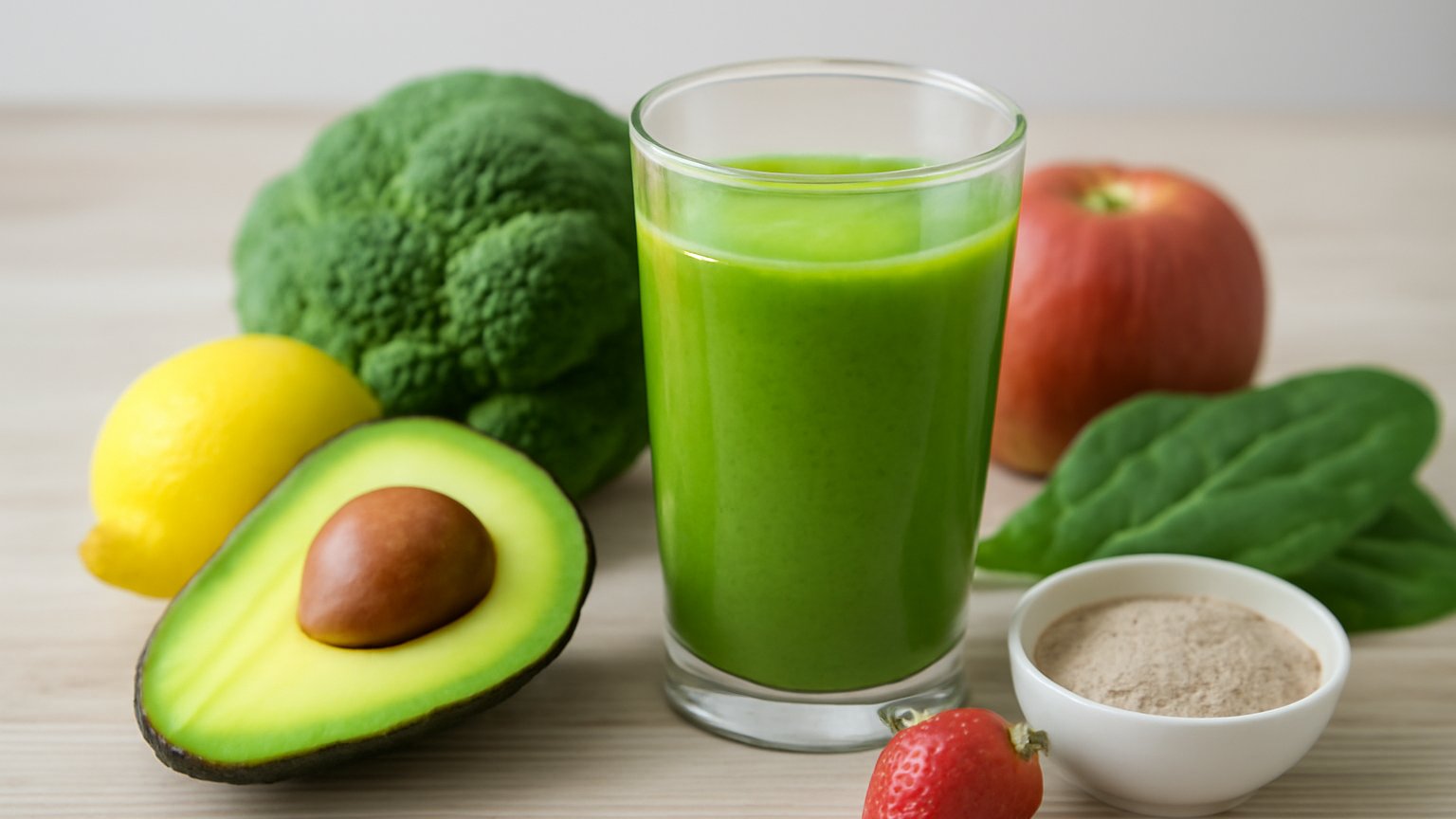
Rebalancing the body’s pH doesn’t demand drastic overhauls; instead, small, intentional lifestyle tweaks can collectively nudge wellness in a powerful direction. For instance, prioritizing hydration with water rich in minerals like magnesium and calcium can help neutralize acidity. Incorporating more alkaline-forming foods—leafy greens, cucumbers, avocados—while reducing excess consumption of acidic staples such as processed meats, refined sugars, and excessive caffeine can gradually restore balance. These subtle adjustments not only support internal harmony but also enhance energy and resilience against chronic ailments.
Beyond food choices, exploring mindfulness practices that reduce stress-induced acid buildup—such as meditation or yoga—can further support a balanced pH. Additionally, staying informed on the latest updates on alkaline diet trends can provide fresh perspectives and options to refine one’s approach. Often, it’s the cumulative impact of these measured shifts—rather than sweeping changes—that underpins lasting improvement in wellness journeys.
Beyond the Scale: Unexpected Benefits of a Balanced Body Chemistry
Balancing the body’s pH is often viewed through the narrow lens of weight management, but the benefits stretch far beyond the scale. When the body’s acid-base balance tips towards the alkaline side, people report enhanced energy levels, improved digestion, and a clearer mental state. This holistic improvement can be tied to how pH influences enzyme activity, nutrient absorption, and even inflammation processes, which are fundamental to overall wellness.
The relationship between pH and mental health is gaining attention in scientific circles. A more balanced pH environment appears to support neurotransmitter function, potentially easing symptoms of anxiety and depression. Alongside this, the immune system may respond more robustly, as acidic environments can foster inflammation and susceptibility to illness.
For those aiming to optimize their pH, incorporating nutrient-rich, minimally processed foods is key. Knowing which foods gently support this balance can be found in resources like the Sağlıklı Beslenmenin İncelikleri: Hassas Midenize, which offers practical guidance on gentle, tasty options that align with a balanced body chemistry. Staying informed with the latest updates on alkaline diet science helps tailor wellness journeys that are sustainable and effective, far beyond just numbers on a scale.
Balancing Act: The Subtle Power of pH in Wellness
The body’s pH is far more than a simple number—it’s a dynamic reflection of what we eat, how we move, and the environments we inhabit. While the acid-alkaline diet hype may have oversimplified the story, understanding and respecting your body’s chemistry opens doors to nuanced health choices. Small dietary changes, mindful hydration, and sensible lifestyle tweaks can gently nudge your internal balance toward a state that supports vitality rather than drains it.
What stands out is the ripple effect: shifting your pH isn’t an isolated act but one that can enhance energy, improve digestion, and even influence mood. This science-backed perspective challenges us to look beyond quick fixes and embrace a holistic approach to well-being. For those intrigued by the potential benefits, staying informed through resources like the latest updates on alkaline diet can provide guidance grounded in evolving research.
Ultimately, tuning into your body’s subtle signals and making informed adjustments could redefine what wellness means on a personal level. How might your daily choices reshape the delicate chemistry within—and in turn, your overall health?
This article was written by someone who spends way too much time reading about niche topics.