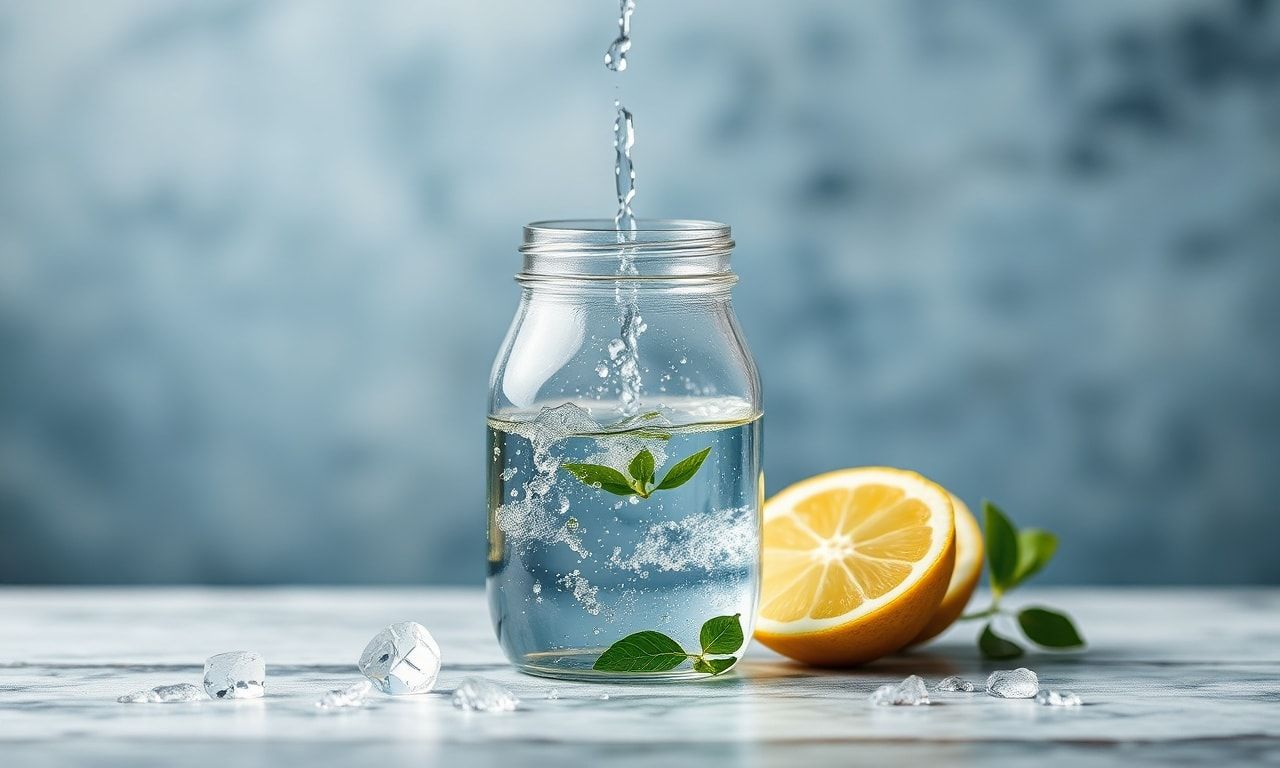
The Science Behind Water Fasting
Water fasting, the practice of abstaining from all food and consuming only water for a certain period, has been a topic of interest in the health and wellness community. This practice is not new; it has been used for centuries in various cultures for spiritual and health reasons. Recent scientific research has begun to unpack the potential benefits and mechanisms behind water fasting.
During water fasting, the body undergoes several physiological changes. Initially, the body burns through stored glycogen, the primary energy source. Once glycogen stores are depleted, the body shifts to burning fat for energy, a process known as ketosis. This metabolic shift can lead to various health benefits, which we will explore in detail.
It’s essential to understand that water fasting is not suitable for everyone. Individuals with certain medical conditions, such as diabetes or eating disorders, should avoid water fasting. Always consult with a healthcare professional before embarking on any fasting regimen.
Potential Health Benefits of Water Fasting
Water fasting has been associated with numerous health benefits, backed by scientific studies. Here are some of the most notable benefits:
- Autophagy: One of the most significant benefits of water fasting is the induction of autophagy, a process where the body breaks down and recycles old or damaged cells. This process is crucial for cellular repair and regeneration.
- Weight Loss: Water fasting can lead to significant weight loss, primarily due to the burning of fat stores. However, it’s important to note that much of the initial weight loss is water weight.
- Improved Metabolic Health: Studies have shown that water fasting can improve insulin sensitivity, reduce inflammation, and lower blood pressure, all of which contribute to better metabolic health.
- Enhanced Brain Function: Some research suggests that water fasting may enhance brain function by promoting the production of a protein called brain-derived neurotrophic factor (BDNF), which supports the survival of neurons and encourages the growth of new ones.
While these benefits are promising, it’s crucial to approach water fasting with caution. Staying informed about the latest research and news today latest can help you make educated decisions about your health.
How to Prepare for a Water Fast
Preparing your body for a water fast is essential to ensure a safe and successful experience. Here are some steps to help you prepare:
- Gradual Reduction: Start by gradually reducing your caloric intake a few days before your fast. This process helps your body transition into a fasting state more smoothly.
- Hydration: Ensure you are well-hydrated before starting your fast. Drink plenty of water in the days leading up to your fast to prepare your body.
- Consult a Professional: If you have any underlying health conditions, consult with a healthcare professional before starting a water fast. They can provide personalized advice and guidance.
- Plan Your Fast: Decide on the duration of your fast. Beginners should start with shorter fasts, such as 24-48 hours, and gradually increase the duration as their body adapts.
What to Expect During a Water Fast
Understanding what to expect during a water fast can help you stay motivated and committed. Here are some common experiences:
- Initial Hunger: You may feel hungry during the first day or two of your fast. This is normal as your body adjusts to the lack of food.
- Energy Fluctuations: Your energy levels may fluctuate during the fast. Some people experience increased energy, while others may feel fatigued.
- Detox Symptoms: As your body begins to cleanse itself, you may experience detox symptoms such as headaches, nausea, or irritability. These symptoms are usually temporary and subside as your body adapts.
- Mental Clarity: Many people report increased mental clarity and focus during a water fast. This benefit is likely due to the production of ketones, which serve as an alternative energy source for the brain.
Remember, everyone’s experience with water fasting is unique. Stay patient and listen to your body throughout the process.
Breaking a Water Fast
Breaking a water fast properly is just as important as the fast itself. Rushing into eating solid foods can cause digestive distress and other complications. Here are some tips for breaking your fast safely:
- Start Slow: Begin with small amounts of easily digestible foods, such as fruits or bone broth. Gradually introduce more solid foods as your body readjusts to digestion.
- Hydrate: Continue to drink plenty of water as you break your fast. Proper hydration supports your body’s natural detoxification processes.
- Listen to Your Body: Pay attention to how your body responds to different foods. If you experience any discomfort, take a step back and reintroduce foods more gradually.
- Avoid Processed Foods: Steer clear of processed, high-sugar, or high-fat foods immediately after your fast. These foods can be hard on your digestive system and may cause discomfort.
Breaking your fast mindfully can help you maintain the benefits you’ve gained from your water fast and support your overall health.
Did you know that weather impacts your health? Discover the surprising connection between atmospheric conditions and your well-being in weather’s effect on health.
To enhance your overall well-being, delve into our comprehensive guide on healthy living essentials that covers nutrition, fitness, and mental health.
To enhance your fitness journey and capture every moment, explore how action cameras transform sports and motivate your workouts.