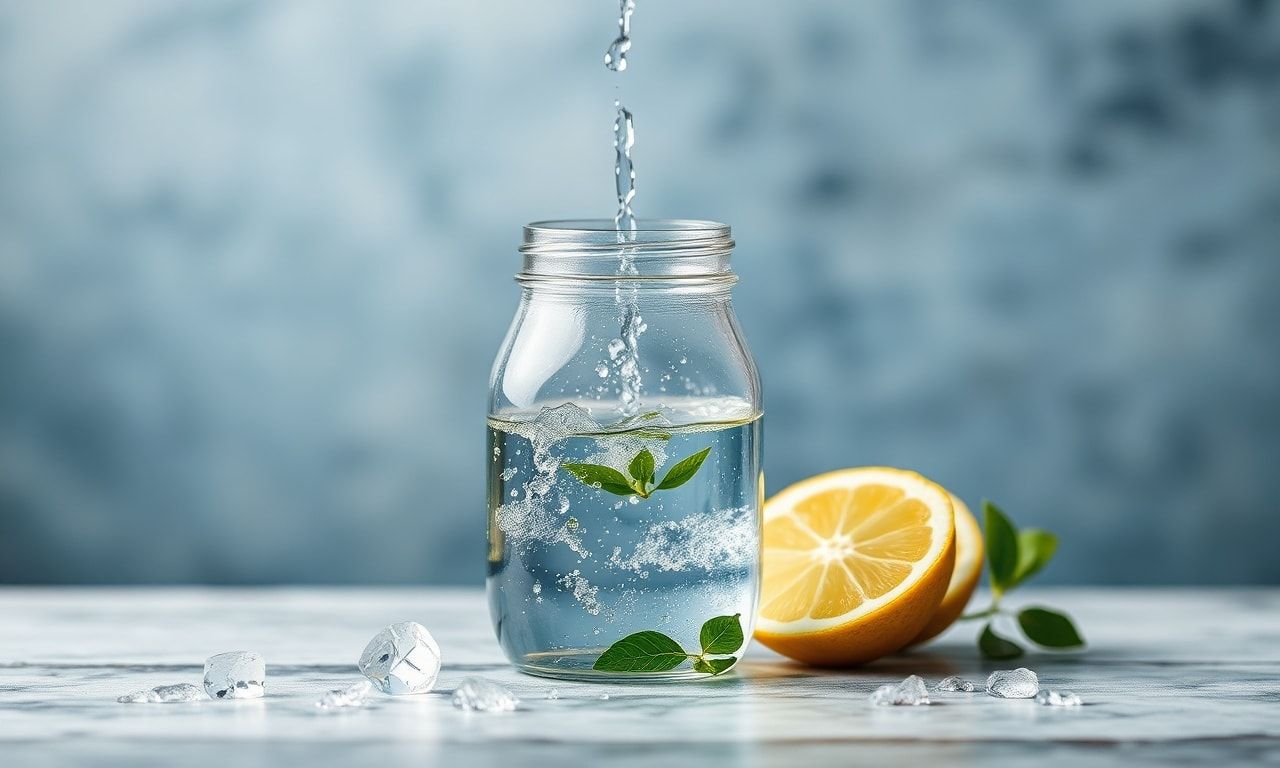
The Science Behind Water Fasting
Water fasting, the practice of abstaining from all food and consuming only water for a certain period, has been around for centuries. It’s not just a trend but a practice rooted in various cultural and religious traditions. From a scientific perspective, water fasting triggers a metabolic state known as ketosis. When the body runs out of glucose, it starts breaking down fat for energy, producing ketones in the process. This shift can have profound effects on the body, from cellular repair to improved metabolic health.
Potential Health Benefits
Water fasting has been studied extensively, and the results are promising. Some of the potential benefits include:
- Autophagy: This is a process where the body breaks down and removes old, damaged cells, promoting cellular repair and regeneration.
- Improved Metabolic Health: Water fasting can improve insulin sensitivity, reduce inflammation, and lower the risk of chronic diseases like type 2 diabetes and heart disease.
- Weight Loss: By restricting calorie intake to zero, water fasting can lead to significant weight loss, especially when combined with a healthy diet and exercise routine.
- Mental Clarity: Many people report improved mental clarity and focus during water fasting, which could be due to the increased production of ketones.
Mental Health Benefits
Beyond the physical benefits, water fasting can also have a positive impact on mental health. Some studies suggest that fasting can reduce symptoms of anxiety and depression. This could be due to the reduction in inflammation, improved gut health, or the psychological benefits of discipline and self-control. However, it’s important to note that fasting is not a cure-all and should not be used as a substitute for professional mental health treatment.
Preparing for a Water Fast
Before embarking on a water fast, it’s crucial to prepare your body. Start by gradually reducing your calorie intake and increasing your water consumption. A common approach is to follow a plant-based diet for a few days before the fast, which can help reduce withdrawal symptoms. It’s also a good idea to consult with a healthcare professional, especially if you have any underlying health conditions.
During the fast, it’s important to listen to your body. If you feel dizzy, weak, or experience other severe symptoms, it’s okay to break the fast early. Remember, the goal is to improve your health, not to push your body to its limits. Also, consider the practical aspects of your life. For example, if you’re planning a home renovation project, it might be best to schedule it for a time when you’re not fasting. You can find useful tips on home improvement at Kodin korjausvinkit Espoossa 2026.
Breaking the Fast
Breaking the fast is just as important as the fast itself. After a period of not eating, your digestive system needs time to readjust. Start with small amounts of easily digestible foods, like fruits and vegetables. Gradually reintroduce other foods, and avoid heavy, processed, or high-sugar foods. It’s also important to stay hydrated and listen to your body. If you feel uncomfortable or experience any adverse effects, slow down and give your body more time to adjust.
Who Should Avoid Water Fasting
While water fasting can have many benefits, it’s not suitable for everyone. People with certain medical conditions, like diabetes, eating disorders, or low body weight, should avoid water fasting. Pregnant or breastfeeding women, children, and the elderly should also avoid fasting. If you’re unsure whether water fasting is right for you, consult with a healthcare professional.
In conclusion, water fasting can be a powerful tool for improving your health. However, it’s important to approach it with caution, prepare properly, and listen to your body. Remember, the goal is to improve your health, not to push your body to its limits. Always consult with a healthcare professional before starting any new health regimen.
Discover how your mental and physical health are deeply connected in a holistic wellness approach, offering practical tips for overall well-being.