
Waterfasting compared: practical guide for health readers
Clear, evidence-based guide to water fasting: basics, options, risks, and practical tips for safe practice with context for health readers.

Readers seeking clear guidance on water fasting get a balanced view: what it is, how it works, and when to avoid it. This piece explains the basics and builds toward practical decisions, with health safety as the priority. You’ll learn concrete steps, common pitfalls, and how to assess whether fasting fits your needs.
The main question for most readers is whether water fasting is appropriate for them and how to do it safely. We cover medical considerations, preparation, and monitoring, so you can decide with confidence. Expect plain language, practical examples, and a framework you can apply to your own health plan.
We also discuss how to verify information from reputable sources and how media coverage can influence expectations. The goal is to help you evaluate benefits and risks, listen to your body, and avoid overreach. By the end, you’ll know where to start and what questions to ask a professional.
- Water fasting means only water for a period; plan with health safety in mind.
- Know who should avoid fasting and when to seek supervision.
- Refeeding after a fast should be gradual and monitored.
- Consider alternatives if fasting doesn't fit your health goals.
Basics of water fasting
What counts as water fasting
Water fasting means consuming only water for a period chosen by the individual, without solid foods or caloric beverages. It is distinct from calorie restriction or juice cleanses, which include calories but limit intake. Understanding this definition helps you assess suitability and safety before starting. de online krant voor Utrecht
For most adults, duration ranges widely and is influenced by prior fasting experience, health status, and supervision. Short fasts may help with certain goals, while longer ones carry greater risk. Clarity about limits reduces the likelihood of unintended health stress.
If you have chronic conditions or take medications, define fasting boundaries with a clinician to avoid adverse effects like dizziness or electrolyte imbalance.
Common goals and what to expect
People fast for clearer thinking, a reset of eating patterns, or a break from habitual snacking. Expect modest physical changes in the first days, such as reduced appetite, not dramatic weight loss. Clear expectations help you stay grounded and safe.
Evidence on outcomes is mixed and depends on individual factors like activity level and prior diet. Use a plan with realistic changes, not dramatic claims. Track how you feel, sleep, and energy to guide next steps.
If you experience persistent faintness, confusion, or chest pain, stop the fast and seek medical advice immediately.
- Track symptoms daily
- Stay hydrated with plain water
- Plan a gentle refeeding transition
- Avoid extended fasts without supervision
Safety and planning

Who should avoid fasting
Certain groups should avoid water fasting or do so only under supervision: pregnant or breastfeeding people, those with diabetes on medication, individuals with a history of eating disorders, and anyone with kidney or heart problems. If you are unsure, consult a clinician before trying a fast. A useful resource on this topic: advocaat in Nijmegen.
- Check with a clinician before starting
- Prepare a short window first (e.g., 12–24 hours)
- During the fast, hydrate with water and monitor symptoms
- Plan a gradual, guarded refeeding after the fast
Medications can interact with fasting by altering electrolyte balance or blood sugar. Do not adjust prescribed meds without a doctor’s guidance. Planning around medications reduces risk.
Even healthy adults should approach fasting with a safety plan, including a way to break the fast safely if symptoms worsen.
Monitoring and red flags
Keep a simple daily log of energy, headaches, dizziness, and mood to catch early trouble signals. If warning signs appear, stop the fast and reassess with a clinician.
Hydration is essential; plain water is preferred, and sugar-free electrolytes may be considered if advised by a professional. Avoid caffeinated drinks in the first day if you feel unwell.
If you have significant dehydration symptoms or prolonged weakness, seek urgent care rather than pushing through.
- Maintain a hydration routine
- Note symptoms and seek guidance
- Do not push through severe discomfort
How to approach refeeding
Transition plan after fasting
Refeeding should be gradual. Start with small, water-rich foods and slowly add protein and fiber over 24–72 hours. This minimizes digestive stress and helps restore energy safely.
A meal pattern with modest portions prevents a rebound in hunger and avoids GI distress. Consider two or three light meals rather than a single large one as you restart eating.
Hydration remains important; continue to drink water and adjust electrolytes if advised.
- Start with broths or clear soups
- Introduce easily digestible foods first
- Monitor digestion and energy
- Proceed to regular meals gradually
| Method | Pros | Cons |
|---|---|---|
| Short fasts (12–16h) | Easier to fit into daily life | Lower risk, limited effects |
| Longer fasts (24–72h) | Potential for deeper reset | Higher risk, requires supervision |
| No fast alternatives | Stable routine | May not target specific goals |
What to expect after a fast
Body responses vary, but common effects include changes in appetite, sleep patterns, and mood as you return to regular meals. Most people notice a normalization of energy after a few days.
If you rarely fast, your body may need more time to adjust; frequent fasts can lead to renewed cravings or fatigue. Use mindfulness and regular meals to support balance.
Reassess goals after the first refeeding cycle to decide whether fasting aligns with long-term health plans.
- Watch appetite cues
- Plan balanced meals
- Respect body signals
Short fasts (12–16 hours) are more feasible for beginners and often pose fewer risks.
Practical options and tools
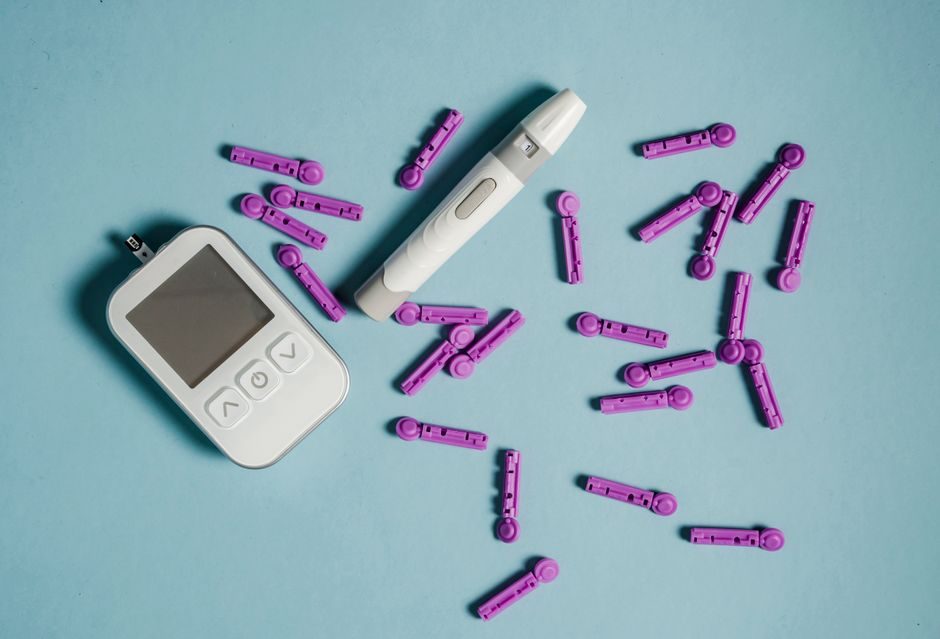
Different fasting lengths
Short fasts (12–16 hours) are more feasible for beginners and often pose fewer risks. They can fit around work and sleep while still offering a reset in routines.
- Choose a starting window
- Plan a safe extension only if tolerated
- Maintain hydration
- Document effects and adjust
Longer fasts demand closer supervision and the right medical context. They should be approached with a clear purpose and a strong plan for refeeding.
Your choice should reflect health status, lifestyle, and goals, not a one-size-fits-all approach.
- 12–16 hour fasts commonly used
- 24–72 hour fasting requires caution
- Align length with health goals
Alternatives to fasting
If you seek appetite control or metabolic benefits, consider balanced meal timing, protein-focused meals, and fiber-rich foods. These can support energy regulation without fasting.
Intermittent fasting variants exist (e.g., 14:10) that may suit some schedules better than longer fasts. Assess personal tolerance and daily routines.
Consult a clinician when considering supplements or drastic dietary shifts that affect electrolyte and fluid balance.
- Balance meals with protein and fiber
- Try mild fasting windows
- Avoid extreme shifts without guidance
Evaluating health claims
Assessing source reliability
When you encounter a health claim, start by checking who makes it and why. Look for supporting evidence described in plain terms, not marketing language. Compare the claim against guidelines from credible health organizations to gauge trustworthiness.
- Relying on a single study; seek broader evidence
- Accepting testimonials over data; look for measurements
- Ignoring adverse effects or alternative explanations
Ask what the claim actually asserts and whether it distinguishes between correlation and causation. If studies are cited, note the sample size, duration, and whether the results are relevant to general populations.
Consider potential biases, such as sponsorship or agenda. If a source consistently emphasizes novelty without peer-reviewed support, treat the claim with caution.
- Check the credibility of the author
- Look for peer-reviewed references
- Differentiate correlation from causation
- Be wary of sensational headlines
- Consider practical applicability
Planning a safe schedule

Creating a gradual plan
A safe plan starts with a clear purpose and a short preparation window. Map the number of days you intend to fast and rest periods between cycles. Build in flexibility to adjust based on how you feel and any medical advice you receive.
Draft a daily routine that includes light activity, hydration checks, and sleep targets. Keep a log of mood, energy, and physical signals like dizziness or headaches.
If you have any health concerns, consult a clinician before starting; a plan should account for medications, allergies, and existing conditions.
- Define goals and duration
- Schedule hydration and rest
- Note warning signs early
- Seek professional input if needed
- Adjust as you go
Finding reliable information
Using credible health resources
Start with institution-backed resources and peer-reviewed journals rather than blogs or forums. Translate general guidelines into your personal context, noting what applies to you and what does not.
Look for clear explanations of potential risks and benefits, including how to reintroduce food after a fast. A trustworthy source will outline who should avoid fasting and why.
Keep an eye on updates; health guidance can shift as new evidence emerges, and reputable sites will update recommendations accordingly.
- Prioritize reputable sources
- Differentiate guidance for beginners vs. experienced dieters
- Track evolving recommendations
- Avoid anecdotal capsules without data
- Cross-check with a clinician
Personal decision and next steps
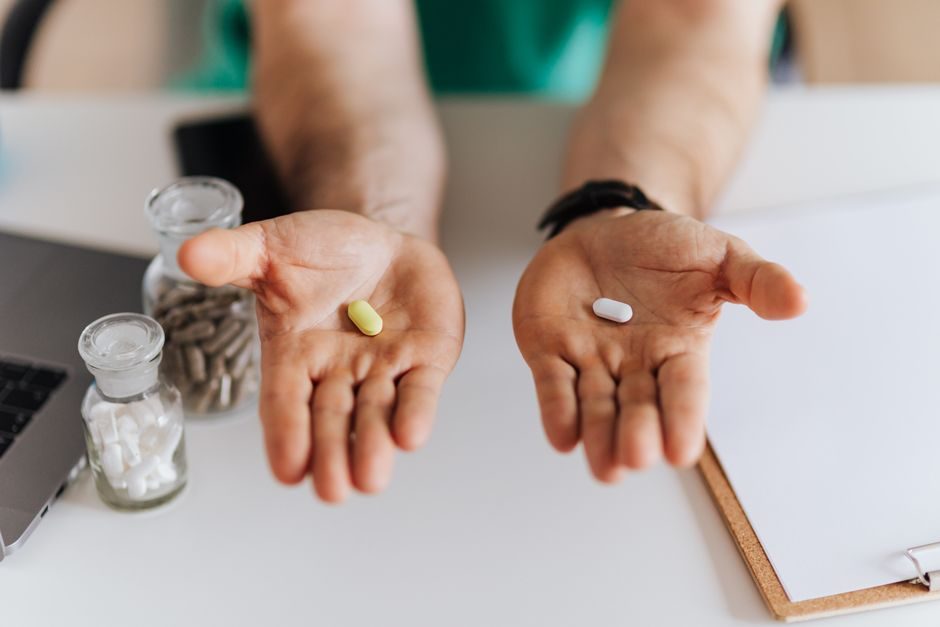
Weighing personal factors
Your decision should hinge on your health status, goals, and access to medical support. Document pre-existing conditions, medications, and recent illnesses that could alter risk. Personal factors should guide whether fasting is a reasonable option.
Identify non-fasting strategies that could achieve similar health goals, such as structured meal timing, hydration, and moderate exercise. A clear alternative plan reduces the pressure to choose fasting.
If you proceed, set a strict boundary for stopping rules and safety checks. Define when to seek help and how to reintroduce foods safely.
- Assess medical history
- Consider alternatives
- Set stop rules
- Plan post-fast recovery
- Engage support if needed
Frequently asked questions
Is water fasting safe for most people?Safety depends on health status, duration, and supervision. Short, supervised fasts may be tolerated by some, but risks like dehydration or electrolyte imbalance can occur. People with chronic illnesses or on medications should seek medical advice before starting.
How long should a water fast last?durations vary, but longer fasts require medical oversight. For most individuals, shorter fasts with professional guidance are safer. Personal response, not a fixed rule, should determine any extension.
What happens when refeeding begins?Refeeding should be gradual to prevent digestive distress. Start with small liquids or easily digestible foods, then slowly reintroduce solid meals over several days under guidance.
Where can I find credible information?Look for resources from medical institutions, nutrition societies, or peer-reviewed journals. Compare multiple sources and consider whether guidance accounts for medical history, not just general tips.
Next steps for health-minded readers
Water fasting involves clear risks and requires careful planning; approach it with curiosity and caution, and seek professional guidance when in doubt. Use this guide to assess claims, plan safely, and identify reliable information before deciding.
If you choose to proceed, align your approach with your health goals, monitor signals like energy and mood, and prepare a safe refeeding plan. The priority is safety and consistency over novelty, and a clear next step is to discuss your plan with a clinician or registered dietitian.

Add Water Fasting Tips as a preferred source on Google


