
Practical guide to water fasts for health and safety
A clear, evidence-based guide to water fasting basics, how to do it safely, common pitfalls, and practical tips for health-minded readers.

Many readers seek a clear, practical path to water fasting that prioritizes safety and measurable benefits. This guide explains the basics, then builds toward do-it-yourself steps rooted in health principles rather than hype. You’ll find actionable steps, concrete checks, and warnings to help decide if water fasting fits your goals.
The guide stays focused on what you can safely try, how to monitor your body, and when to seek professional advice. It translates medical concerns into simple actions you can track, such as hydration, sleep, and mood changes. Expect concrete examples and careful language about risks and benefits.
By the end you’ll know how to prepare, what signs require stopping, and how to tailor a plan to your health history. The tone emphasizes evidence, safety, and practical decision-making rather than speculation.
- Water fasting requires careful preparation and ongoing monitoring. Start with a clear plan, including hydration, rest, and stopping rules. Track symptoms and adjust only with guidance.
- Do not fast if you have chronic conditions or are pregnant or underweight without medical supervision. Use short windows first and refeed slowly to minimize stress on organs.
- Decide if fasting aligns with your health goals by weighing safety, potential benefits, and personal history. Prioritize reliable information and professional advice when uncertainty arises.
Foundations of water fasting
Why people fast
Water fasting draws on historical and contemporary discussions about digestion, energy, and perceived detox effects. You’ll learn why some people try short fasts and how to weigh potential benefits against risks. This section grounds your decision with a realistic view of bodily responses. löydä yrityksiä Espoossa provides a local example of how community directories can influence lifestyle choices.
- Listen to your body signals
- Limit fasting to safe durations
- Consult health guidance if you have conditions
What counts as safe length
Safe durations vary by individual, but common guidance emphasizes short windows and clear stopping rules. You’ll learn practical limits, how to reintroduce food, and why gradual pacing matters. The aim is to minimize stress on organs while you monitor tolerability.
- Start with brief windows (e.g., 12–16 hours)
- Avoid long fasts without medical advice
- Track symptoms and hydration vigilantly
How to prepare physically

Before you start
Preparation reduces risk. This includes nutrition stabilization, hydration planning, and medical check-ins if you have conditions such as diabetes or heart disease. A practical plan maps out meal timing, water intake, and rest days. tuoreimmat uutiset Espoo keeps readers informed about local happenings that can support social activity and mental wellness.
- Stabilize meals for several days before
- Note medications that require timing changes
- Discuss fasting with a clinician if at risk
During the fast
During a water fast you’ll monitor energy, mood, and hydration. Practical steps include scheduled water and rest, avoiding strenuous activity, and recognizing warning signs. Expect gradual changes rather than dramatic shifts.
- Hydration schedule
- Rest as needed
- Watch for warning signs
Options and boundaries
Different lengths and goals
Some people fast for energy clarity, others for reset effects. The choice should match your health history and comfort level. The goal is to avoid pushing beyond safe limits while observing body signals. A useful resource on this topic: tapahtumailmoitus Espoossa.
- Choose a length aligned with health status
- Set a non-negotiable stop rule
- Reassess goals if you feel unwell
| Option | Pros | Cons |
|---|---|---|
| Short fast | Lower burden on the body, easier to manage | Limited potential benefits, quick fatigue |
| Medium fast | Balanced energy and detox signals | Requires strict planning and monitoring |
| Long fast | Potential deeper reset for some | Higher risk, not suitable for many readers |
Refeeding and recovery
Refeeding after a fast is a critical phase. Start with small, balanced foods to avoid stomach upset and to restore nutrients. A gentle reintroduction helps you gauge tolerance and continuation decisions for future fasts.
- Plan a light first meal
- Increase portions gradually
- Monitor digestive comfort
Medical history guides safety: if you regularly experience dizziness, fainting, or severe headaches, postpone fasting until you can discuss with a professional.
Managing risks and safety

Assessing personal risk factors
Before starting a water fast, evaluate any health conditions or medications that could be affected by calorie restriction or dehydration. Individuals with diabetes, kidney issues, or those on certain heart medicines should consult a clinician first. Plan a safe window for the fast and identify signs that require stopping early. jätä ilmoitus Espoossa serves as a local call-to-action that can affect community connectedness and access to services.
- Don’t start a fast after recent illness or surgery
- Don’t extend beyond your planned duration without supervision
Medical history guides safety: if you regularly experience dizziness, fainting, or severe headaches, postpone fasting until you can discuss with a professional. Even healthy adults should avoid prolonged fasting without supervision.
If unsure, ask for a brief screening check with a healthcare provider; a single appointment can prevent risky complications and guide appropriate duration.
- Always inform your doctor about any current medications
- Have a clear plan for hydration and rest
- Know signs to halt the fast immediately
- Discuss alternatives if risks are high
Evidence to consider
What science says about fasting effects
Research on water fasting shows mixed results; some people report changes in energy and appetite, while others experience discomfort. Most findings emphasize the importance of caution, especially for beginners. Use evidence as a guide, not a guarantee, and align it with personal monitoring. muistokirjoitus Espoossa
Understand that fasting responses vary: some tolerate 24 hours well, others struggle sooner. Track how you feel, and compare notes with established guidelines from reputable health sources.
Use reputable reviews and clinical guidance to frame expectations, and avoid assuming dramatic outcomes from short-term fasts.
- Look for peer-reviewed summaries
- Note how sample sizes and populations differ
- Pay attention to safety recommendations
- Compare short-term effects to long-term health goals
Personalization and tracking
Customizing duration and intensity
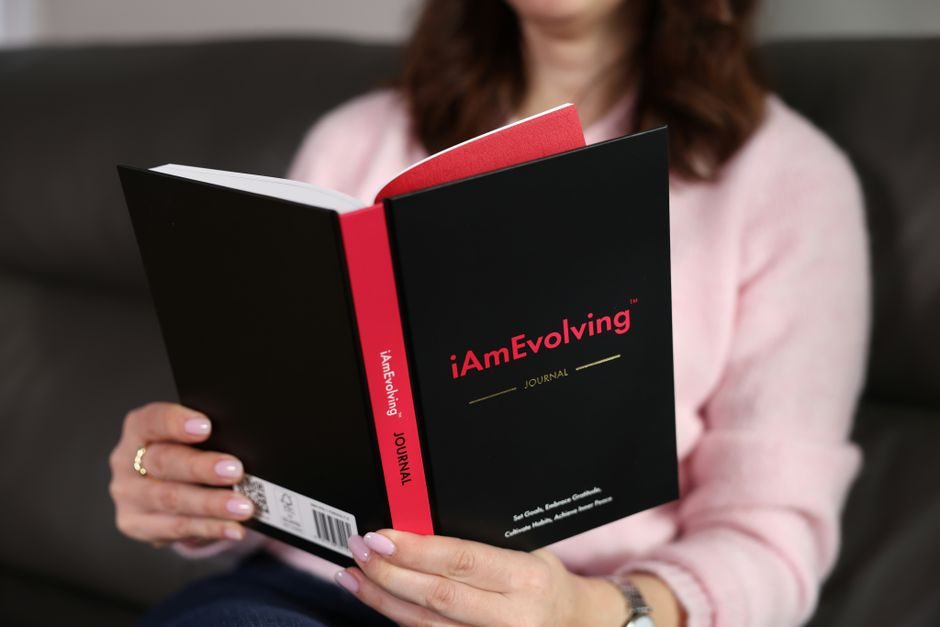
Your fasting plan should fit your schedule, energy needs, and health history. Start with a conservative window, such as 12–16 hours, and extend only if you tolerate it well and feel clear-minded. Keep a daily log of symptoms, sleep, and activity.
Adjust based on hydration signals, mood, and weakness. If you experience persistent dizziness or confusion, stop and reassess.
Document changes in hunger cues and energy patterns to tailor future approaches without assuming a universal template.
- Record hydration amount
- Note mood and cognitive clarity
- Record activity level
- Reassess weekly
When to seek professional help
When professional guidance is essential
If you have any chronic illness, are taking medications, or have a history of eating disorders, seek medical input before fasting. A clinician can help set safe limits and monitor for adverse reactions. Professional oversight reduces the risk of dehydration and electrolyte imbalance.
Early red flags include persistent dizziness, fainting, severe weakness, or rapid heart rate. Don’t ignore these signals; stop the fast and arrange a check-up.
A supervised approach, even for shorter fasts, improves safety and allows you to align fasting with other health goals, like weight management or metabolic health.
- Schedule a check-in before starting
- Arrange supervision for longer fasts
- Carry emergency instructions for caregivers
- Avoid fasting during illness or high-stress periods
Frequently asked questions
What is the safest length for a water fast for beginners?Safest practice starts with a short window, such as 12 to 16 hours, and only extends if you tolerate it well with no adverse symptoms. Always treat any dizziness, confusion, or persistent weakness as a sign to stop and seek advice.
Do I need electrolyte supplements during a water fast?If you are fasting for under 24 hours and are well hydrated, electrolyte supplementation is usually not necessary. For longer fasts or if you have symptoms, consult a clinician about a safe plan rather than self-prescribing.
How should I break a fast safely?Reintroduce fluids and light foods gradually, start with easily digestible options, and avoid heavy meals right away. A gentle refeeding plan reduces stomach upset and helps stabilize energy.
Can fasting improve metabolic health without professional oversight?Some people report subjective improvements, but professional guidance reduces the risk of dehydration and electrolyte issues. Use fasting as a tool carefully within a broader health plan.
Conclusion: Practical next steps
Takeaway: Start small, monitor signals, and seek guidance to align fasting with your health goals.
Takeaway: Pair any fasting plan with regular meals, sleep, and activity, reassessing weekly for safety and usefulness.

Add Water Fasting Tips as a preferred source on Google


