
How to waterfast and plan Helsinki events for health-minded readers
A practical guide to water fasting basics, then using city event calendars like Helsinki tapahtumakalenteri to plan balanced wellness activities and mindful out

If you’re exploring water fasting for health, you’ll want a clear, safe plan and reliable sources. This guide builds from the basics of hydration, fasting duration, and listening to your body, then connects to practical ways to integrate wellness-friendly events. You’ll learn how to balance rest, activity, and social outings without compromising safety or progress.
The first steps focus on preparation: understanding your baseline health, choosing a modest fasting window, and scheduling gentler days around it. You’ll see concrete examples of how to structure meals, fluids, and recovery times. Practical tips help you avoid common pitfalls and keep your routine sustainable.
Finally, you’ll have a framework for choosing events or activities that support your goals rather than derail them. The aim is to keep health at the center while you explore your city’s resources, including local calendars and mindful gatherings. This section guides you to plan with clarity and caution.
- Start with small fasting windows and add if tolerated, monitoring signs of safety.
- Plan fasting days around low-stress activities and rest periods; map meals and fluids. Use city calendars to pick gentle, health-promoting events.
- Keep a simple log of energy, mood, and sleep to guide pace and safety. Communicate your approach to friends when social plans arise.
- Balance activity with rest, choose events that fit your energy window, and watch for warning signs that require stopping the fast.
Basics of water fasting
Understanding fasting windows
Begin with small, manageable windows to assess tolerance. A typical approach uses 24 hours or less for most people new to fasting, with attention to thirst cues and energy levels. Keep a simple plan and adjust based on how you feel, not on a calendar alone.
Fasting should not feel punishing; the goal is steady adaptation. Hydration is essential, and if dizziness or weakness occurs, break the fast safely. Track mood, sleep, and soreness to judge progress over days rather than hours.
Over time, you’ll learn which days suit longer or shorter fasts. Maintain flexibility to accommodate exercise, heat, or illness. Avoid pushing through severe fatigue or danger signs.
- Start with 12 hours overnight, then add 2–4 hours as tolerated
- Keep water or herbal tea handy during the fast
- Plan light activity and rest days around fasting
- Stop the fast if you experience chest pain or confusion
Safety and nutrition basics
Water fasting requires careful judgment about personal health history and daily activity. If you have a chronic illness, consult a clinician before starting. The focus remains on safety, not speed, and you should discontinue if symptoms worsen.
Your body mostly uses stored energy during a fast, which can affect blood sugar and hydration. Plan to monitor symptoms like dizziness, fatigue, or headaches and respond with rest and fluids. Never skip medical advice for ongoing conditions.
Mindful preparation helps you avoid dehydration and electrolyte imbalances. Include gentle movements, adequate sleep, and restorative moments to support recovery.
How to pair fasting with city life
Plan around events and rest
Choose events that fit your energy on fasting days. Look for activities that are low-stress and low-intensity, such as museums, walks, or seated workshops. Schedule the most demanding tasks for feed days or days with lighter activity. Helsinki uutiset provide weather or schedule context that helps you plan safe days.
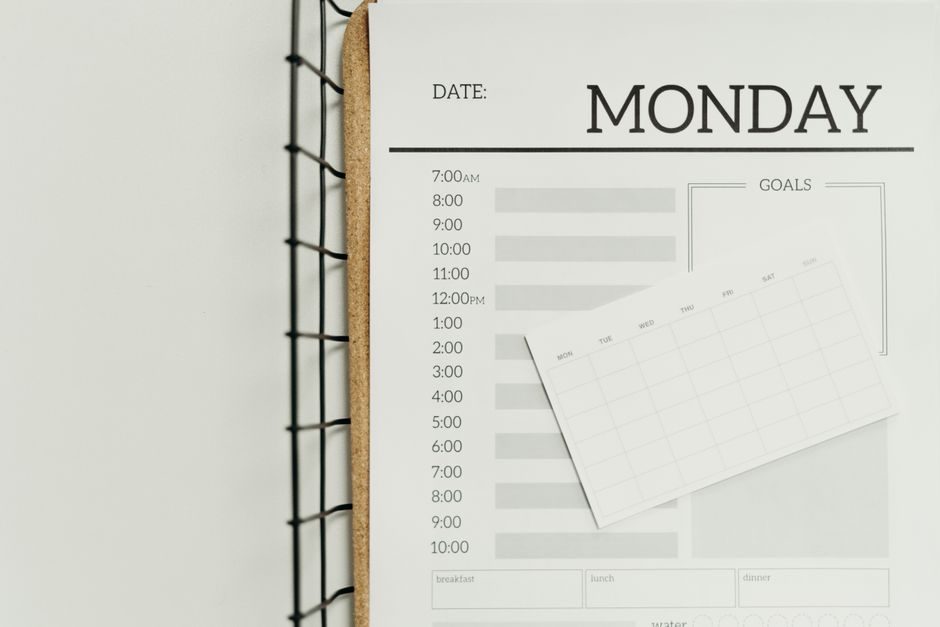
Use a simple calendar to map meals, fluids, and activity blocks. Having a visual plan helps you stay consistent and reduces impulsive snacking. Keep snacks or light fluids on hand for post-event recovery.
Communicate your plan when attending social gatherings. Friends and hosts usually understand if you explain a non-alcoholic, health-focused approach and boundaries.
- Match events to your energy window
- Bring water, electrolytes if advised by your plan
- Arrange gentle transportation or seating as needed
- Respect personal limits during longer events
Resources that support your routine
Local calendars can be a practical tool to find calm, wellness-oriented activities. The Helsinki tapahtumakalenteri provides listings that help you choose contemplative events, fitness classes, or nature walks.
Use these resources to plan recovery or rest days around activities, ensuring you don’t overload your schedule. Prioritize spaces that allow seated or slow-paced participation when fasting.
Always cross-check event accessibility, weather, and location to avoid last‑minute complications that disrupt your rhythm.
Options for timing and pace
Short-term vs long-term plans
Short-term fasting can test tolerance and reveal fast-friendly days in your week. Long-term schedules demand consistency and clear safety signals. Start with a baseline of 1–2 days and add days only if you feel steady. yritystietojen lisääminen Helsingissä can guide you to local services that support wellness logistics.
Balance is key: ensure a mix of rest, gentle movement, and light meals on feed days. If you feel lethargic, re‑evaluate the pace and reduce the fasting window.
Keep a simple record of energy, sleep quality, and mood to guide future adjustments rather than chasing a fixed timetable.
- Test 1–2 day cycles first
- Increase gradually if tolerated
- Support with hydration and sleep
- Stop if symptoms worsen
| Option | Pros | Cons |
|---|---|---|
| Short-term fasting | Quick feedback on tolerance | Less time to adapt and may feel harder initially |
| Long-term plan | Deeper adaptation | Requires careful monitoring and consistency |
| Light meals on feed days | Provides stability between fasts | May reduce fasting benefits if overused |
Combining movement with fasting
Light movement can support digestion and mood during fasting periods. Gentle walks, stretching, and bodyweight movements help avoid stiffness and support energy management.
Schedule the most active portions of the day for feed days or after breaking a fast. This reduces the risk of fatigue interfering with performance.
Listen to bodily cues and avoid pushing through fatigue. If you feel faint, sit down and rest.
- Walks after meals can aid comfort
- Reserve high-intensity days for fed periods
- Hydrate before, during, and after activity
- Monitor heart rate if you use a wearable
If you’re fasting, prefer events with short sessions and breaks to reassess comfort.
Choosing wellness events

Selecting health-friendly activities
Plan events that match your energy levels on fasting days; look for gentle walks, mindfulness sessions, and beginner-friendly fitness classes. Compare start times with your fasting window to avoid early morning exertion. Prioritize activities that offer shade, hydration stations, and breaks. This helps maintain safety while staying engaged with city life. pienilmoitukset Helsingissä offer practical, accessible opportunities for low-stress outings.
- Choose events during non-peak heat hours
- Bring a water bottle and small snack if allowed
- Check venue accessibility and rest areas
- Avoid high-intensity workouts while fasting
- Record notes on how you felt for future planning
Finding reliable calendars
Use reputable city calendars that clearly label age-appropriateness and accessibility features. Read event descriptions for duration, location, and accessibility. If you’re fasting, prefer events with short sessions and breaks to reassess comfort. This reduces the risk of overexertion or dehydration.
- Check cancellation policies
- Look for accessibility information
- Prefer longer breaks between activities
- Note water availability at venues
- Avoid back-to-back strenuous events
Mental health and fasting
Impact on mood and stress
Fasting can influence mood for some people, so plan light mental tasks on fasting days. Short mindfulness breaks or gentle stretching can help stabilize mood swings. If you notice persistent irritability, switch to low-stimulation activities and hydrate. Use these days to observe patterns without judgment. muistokirjoitus Helsingissä is a phrase that can guide readers to a personal reflection log about trying wellness events in Helsinki.
- Schedule restorative activities
- Monitor mood changes
- Avoid high-stress environments
- Have a fallback calm plan
- Keep a hydration log
Strategies for social events
Attend social activities with a calm plan, like arriving late and leaving early to protect energy reserves. Communicate your fasting status briefly to hosts so accommodations are reasonable. Bring a small, permitted electrolyte option or non-caloric drinks if allowed. These steps help maintain data-supported routines.
- Inform hosts of needs
- Choose low-energy options
- Limit alcohol and sugary drinks
- Have a backup plan to exit gracefully
- Record what works for next time
Hydration and electrolyte basics

Fluid needs during fasting
Hydration is essential when you are fasting, but thirst cues can be blunted. Sip water consistently throughout the day and consider adding a pinch of salt to water on very hot days if it's advised. Monitor color of urine as a general indicator to adjust intake.
- Carry a reusable bottle
- Sip at regular intervals
- Avoid overhydration
- Choose plain water over sugary drinks
- Plan extra hydration on warm days
Electrolyte basics without hype
Electrolytes help maintain nerve and muscle function, especially when you skip meals. Use simple, commercially available options only if your health team approves. Small, regular amounts can help prevent dizziness or fatigue during longer fasts.
- Only use approved electrolyte sources
- Don’t rely on salt alone as a treatment
- Check for added sugars or artificial flavors
- Avoid new supplements without guidance
- Integrate electrolyte drinks into a balanced plan
Safety and red flags
Recognizing warning signs
If you feel faint, extremely weak, or confused, stop fasting and seek medical advice. Headache, dizziness, and rapid heart rate can signal dehydration or an electrolyte imbalance. Keep a list of emergency contacts and a plan for getting help if symptoms worsen.
- Ignoring warning signs
- Continuing activity despite symptoms
- Skipping meals when unwell
- Know local emergency numbers
- Have a buddy system for outdoor activities
- Carry basic health information
- Avoid prolonged fasting without medical input
- Seek professional guidance if risk factors exist
When to pause fasting
If sleep is disrupted or cognitive focus is clearly impaired, pause the fast and reassess goals. Short breaks for light meals or broth can reset your energy without breaking a broader plan. Reintroduce foods gradually and monitor how you feel after each small step.
- Set a cutoff time to reassess
- Have a safe, small-break option
- Gradually reintroduce foods
- Record what triggers discomfort
- Consult a clinician if needed
Frequently asked questions
How long can I safely water fast?Duration safety depends on personal health, prior experience, and supervision. Most people should not exceed brief fasts without medical advice. Listen to your body and stop if symptoms worsen or do not improve with rest and hydration.
What if I feel unwell during a fast in Helsinki?If you are in the city and feel unwell, seek shade, sip water, and consider a light, non-caloric option if allowed. If symptoms persist, exit the activity and contact a clinician. Local clinics can provide guidance for fasting-related discomfort.
Should I combine fasting with intense workouts?Intense exercise during fasting can raise risk of dehydration and dizziness. Opt for low-impact activities and shorter sessions when fasting. Only resume higher-intensity workouts after assessing tolerance with a healthcare professional.
How do I reintroduce food safely after a fast?Start with small portions of easily digestible foods and gradual increases. Monitor energy and digestion, then adjust. Keep hydration steady and avoid large meals immediately after to prevent stress on the system.
Conclusion: Next steps for health-minded planners
Take the plan you’ve built here and start with one realistic week. Keep sessions light, document how you feel, and adjust as needed. The aim is steady, sustainable routines that support both wellbeing and city life.
With time, you’ll recognize which events and times align with your fasting and mental health goals. Use available calendars and your notes to curate a personal loop of safe, enjoyable activities. The next step is to schedule two hydration-focused days and a check-in with a friend.

Add Water Fasting Tips as a preferred source on Google


