
Adding your business listing in the USA: a health reader’s practical guide
A clear, evidence-based guide for wellness professionals to add a business listing in the USA, with steps, pitfalls, and practical tips for health audiences.

If you run a wellness or health service, adding a business listing in the USA can improve visibility, trust, and accessibility for patients seeking nearby care. This guide walks you through the practical steps, from choosing the right platform to keeping your information current. You’ll learn what to prepare and common mistakes to avoid, so your listing supports your health goals rather than confusing potential clients.
Think of a listing as a patient-facing front door: accurate details help people find you and decide to reach out. We’ll cover why accuracy matters for health care, how to verify information, and how to present services in a clear, non-technical way that aligns with wellness objectives.
You’ll finish with concrete actions you can take today, plus tips to maintain your listing over time. The focus is practical health literacy: clear descriptions, safe navigation, and accurate contact details that support ongoing care.
- A health-focused guide to adding a USA business listing focuses on accuracy, accessibility, and clear patient-facing information.
- Choose the right platform, keep hours and services up to date, and verify credentials to build trust.
- Maintain consistency across listings and monitor patient feedback to improve care access.
- Follow a simple checklist to avoid outdated details and ensure listings support ongoing wellness goals.
Basics of listing in the USA
What a listing is for health readers
A listing is a public profile that shares essential facts about your business, such as location, contact details, and services. For health professionals, clarity reduces patient confusion and improves appointment uptake. Keep the purpose simple: help someone in your area find trustworthy care. add your business listing in the USA
The right listing helps people compare options quickly, which is important when choosing a health service. Include credentials and the range of services to set expectations. Avoid medical jargon that might deter a reader who is seeking straightforward guidance.
A strong listing obeys platform rules and patient privacy standards. Use a local address if you serve a defined neighborhood and ensure your phone hours are accurate so callers aren’t left waiting.
- Choose a primary service category
- Offer a concise service summary
- List hours and contact clearly
- Update any changes promptly
Finding the right platform
Different platforms cater to different audiences. Start with local health directories and major maps services that patients routinely use. Check whether your practice type requires verification or professional credentials to be listed.
Think about the patient journey: what questions do they have first? Your listing should answer those questions without overwhelming the reader with details. Prioritize location, hours, and core services for easy decision-making.
Verify the platform’s policies on patient data and reviews. Some directories limit call-to-action options; others emphasize appointment scheduling. Use the platform that aligns with your practice’s patient flow and safety practices.
- Prioritize patient-friendly platforms
- Check verification requirements
- Assess review policies
- Ensure contact actions are available
How listings help health care access

Impact on patient access
A complete listing reduces barriers for patients seeking care near them. Clear location data helps someone in a rush find a nearby clinic or telehealth option. That immediacy can improve appointment attendance and continuity of care. Education NV news
Patients often look for verified qualifications and service scope. Your listing should reflect licensure, areas of specialty, and protocols for emergencies, if applicable.
Keep information consistent across platforms to avoid confusion, which can undermine trust and deter follow-up care. A single, reliable source of truth is preferable when patients compare options.
Common health-facing details
Include the services that most patients seek, such as primary care, mental health support, or nutrition counseling. Add languages spoken and accessibility information to broaden reach. If you offer telehealth, describe how it works and what patients should expect.
Avoid overpromising; instead, state what you can reliably provide and any limitations. Update service descriptions when your offerings change, so patients don’t rely on outdated information.
Regular check-ins on your listing help catch outdated hours, wrong addresses, or discontinued services before a patient experiences a bad encounter.
- Core services listed
- Accessibility details included
- Telehealth options described
- Regular updates scheduled
Options and formats
Free versus paid listings
Free listings deliver basic visibility and can be enough to reach local patients. If your practice needs more control over presentation or analytics, consider a paid option with enhanced features like photo galleries or appointment links. add an event to the USA events calendar
Compare the effort required to maintain a free listing with the potential benefits of a premium placement. Small wellness practices often see a better return from modest upgrades that enhance credibility.
Track how readers engage with your listing and adjust while avoiding over-optimization that can feel artificial or misleading.
- Start with the essential free listing
- Add a photo and a concise service summary
- Include call-to-action and hours
- Monitor performance and refresh content
| Option | Pros | Cons |
|---|---|---|
| Free listing | Low effort; basic visibility | Limited features; less control over presentation |
| Paid listing | More control; analytics | Costs vary; requires ongoing upkeep |
| Enhanced profile | Better credibility; richer content | More time to maintain and monitor |
Maintaining accuracy
Assign responsibility for updates to a team member so information stays current. A quarterly check can catch changes in address hours or service scope before patients encounter issues.
Use neutral, patient-centered language to describe services and avoid medical jargon that may confuse readers. Keep statements concise and factual.
Respond to patient questions publicly and promptly. A respectful, timely approach supports trust and ongoing care.
- Schedule quarterly audits
- Use plain language
- Respond to inquiries quickly
Beware of duplicate listings across platforms; they split reviews and confuse searchers.
pitfalls to avoid

Common listing mistakes to dodge
Avoid vague descriptions that misrepresent services or location. Include clear, verifiable contact details and hours. Inaccurate or outdated information damages trust and health access. place an advert in the USA
- ☐ Prioritize accuracy over breadth; verify every fact.
- ☐ Schedule quarterly checks for critical listings.
- ☐ Use a single authoritative source for each location.
Misusing categories or keywords can mislead readers and slow updates. Stick to precise service types and official terms. Regular audits prevent stale entries that frustrate patients and caregivers.
Beware of duplicate listings across platforms; they split reviews and confuse searchers. Consolidate where possible and link legitimate versions to the primary listing.
Bulky, hard-to-read bios deter readers. Use concise sentences, bullet key services, and plain language to improve comprehension.
- Use accurate service names
- Keep hours up to date
- Check for duplicates
- Write clear summaries
practical tips for readers
Making listings work for users
Think about what a patient needs first when they visit a listing. Include distance, hours, language options, and how to book. Clear information reduces call-backs and delays in care. publish a death notice in the USA
- Provide contact methods for questions.
- Offer a quick map distance or travel tips.
- State typical wait times if applicable.
Use patient-centered language that explains services and eligibility. Avoid medical jargon or marketing fluff. Readers should understand whether the service fits their health needs.
Keep the listing visually accessible: short paragraphs, legible fonts, and high-contrast text. This helps readers with vision or cognitive differences.
Regularly refresh content to reflect changes in services or staffing, avoiding miscommunication and frustration.
- Highlight accessibility options
- Clarify booking steps
- Explain eligibility clearly
- Refresh content regularly
how to verify listings
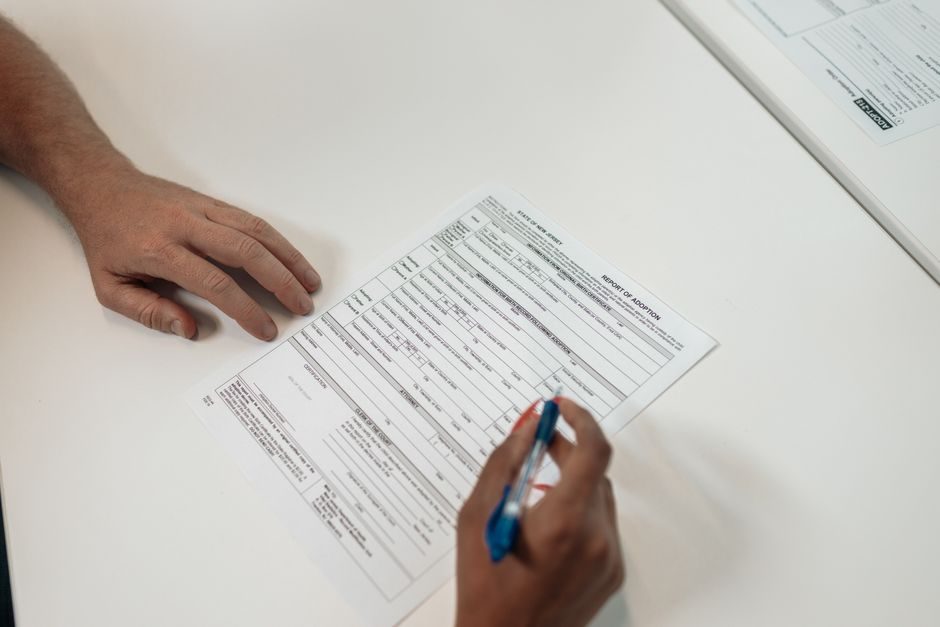
Confirming accuracy and legitimacy
Verification starts with cross-checking the listing against official directories. Look for consistent phone numbers, addresses, and service descriptions.
Where possible, compare with your own organization’s published materials to ensure alignment. Document any discrepancies for prompt correction.
Contact the listing platform’s support to request updates or flag errors. Keep a record of submission dates and responses.
If you cannot verify a listing, consider requesting removal or updating to reflect a neutral description that matches reality.
- Cross-check with official sources
- Request platform corrections
- Keep records of updates
- Seek neutral descriptions
long-term maintenance
Sustaining accurate information
Establish a routine for quarterly reviews of each listing to catch changes in services, hours, or accessibility. Assign responsibility to a specific team member or a contracted coordinator.
Document changes in a shared log and notify relevant staff to prevent outdated details from circulating.
Invest in a simple update workflow that reduces manual errors, such as templated descriptions and standardized contact fields.
Track reader feedback to identify common questions that may signal missing details or misinterpretations.
- Set quarterly reviews
- Maintain a change log
- Use standardized templates
- Monitor reader feedback
Frequently asked questions
What makes a listing trustworthy for health readers?Trustworthy listings clearly state the service, hours, location, contact methods, and accessibility options. They avoid hype and provide verifiable information that a reader can confirm through official sources.
How often should a health listing be checked for accuracy?A practical approach is quarterly reviews, with immediate updates after any service change. This keeps the information reliable for readers who rely on timely access to care.
What if the listing duplicates across platforms?Consolidate duplicates where possible and link to the primary listing. This reduces confusion and ensures readers see consistent details and reviews.
Can a listing influence care access?Yes. Clear, accurate listings help readers locate services fast and understand what is offered, which can reduce delays in getting care.
Conclusion
A well-maintained listing acts as a reliable touchpoint for readers seeking health services, reducing uncertainty and save time by presenting essential details upfront.
A practical next step is to audit one platform today, fix obvious errors, and establish a simple routine for ongoing updates that fits your team’s capacity.
Add Water Fasting Tips as a preferred source on Google


