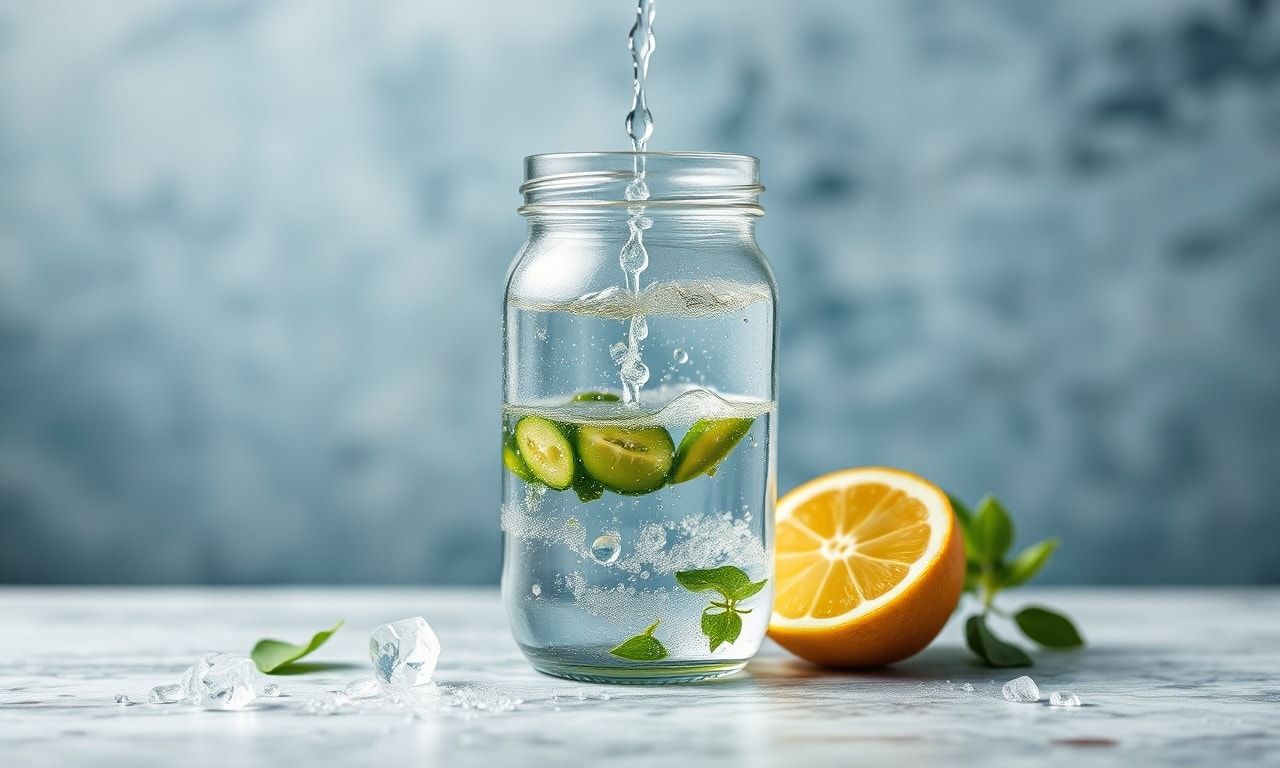
The Art and Science of Water Fasting
Water fasting, the practice of abstaining from all food and consuming only water for a certain period, has been around for centuries. It’s a practice rooted in various cultures and religions, and it’s gaining traction in the health and wellness community. But what exactly is water fasting, and why are people drawn to it? In this comprehensive guide, we’ll delve into the benefits, risks, and practical tips for water fasting.
Understanding Water Fasting
Water fasting is a form of fasting that involves consuming only water for a set period. This could range from a few hours to several days, and in some cases, even weeks. The idea is to give your digestive system a break, allowing your body to focus on other processes, such as detoxification and cellular repair.
The Benefits of Water Fasting
Water fasting is believed to offer a range of health benefits. Here are a few:
- Autophagy: This is a process where your body breaks down and removes old, damaged cells, replacing them with new, healthy ones. It’s a natural defense mechanism against diseases like cancer and Alzheimer’s.
- Improved Metabolic Health: Water fasting can help improve insulin sensitivity, reduce inflammation, and promote weight loss.
- Detoxification: By giving your digestive system a break, your body can focus on eliminating toxins.
- Mental Clarity: Many people report improved mental clarity and focus during a water fast.
Potential Risks and Precautions
While water fasting can offer numerous benefits, it’s not without its risks. It’s crucial to approach it with caution. Here are a few potential risks:
- Nutrient Deficiencies: Prolonged water fasting can lead to deficiencies in essential nutrients.
- Muscle Loss: Your body may start breaking down muscle for energy if the fast is too long.
- Dehydration: It might seem counterintuitive, but it’s possible to become dehydrated even when consuming only water.
Before starting a water fast, it’s essential to consult with a healthcare professional, especially if you have any underlying health conditions. It’s also crucial to stay hydrated, rest, and listen to your body. If you feel unwell, it’s important to break the fast and seek medical attention if necessary.
Practical Tips for Water Fasting
If you’re considering a water fast, here are a few practical tips to help you prepare:
- Start Small: Begin with a shorter fast, like 12-24 hours, and gradually increase the duration as your body adapts.
- Stay Hydrated: Aim to drink at least 2-3 liters of water a day. You can also add a pinch of salt to your water to replenish electrolytes.
- Rest: Your body will be using this time to repair and detoxify, so it’s essential to get plenty of rest.
- Break the Fast Gently: When breaking your fast, it’s important to do so gently. Start with easily digestible foods, like fruits and vegetables, and gradually reintroduce other foods.
Remember, everyone’s body is different, and what works for one person might not work for another. It’s essential to listen to your body and adjust accordingly. And if you’re looking for more tips on how to style your bag during your fasting period, check out these styling tips for different bag styles.
Conclusion
Water fasting can be a powerful tool for improving your health, but it’s not a one-size-fits-all solution. It’s essential to approach it with caution, consult with a healthcare professional, and listen to your body. With the right approach, water fasting can help you feel refreshed, rejuvenated, and ready to take on the world.
To delve deeper into the crucial connection between sleep and mental well-being, consider exploring sleep’s impact on mental health and practical tips for creating a restorative sleep environment.