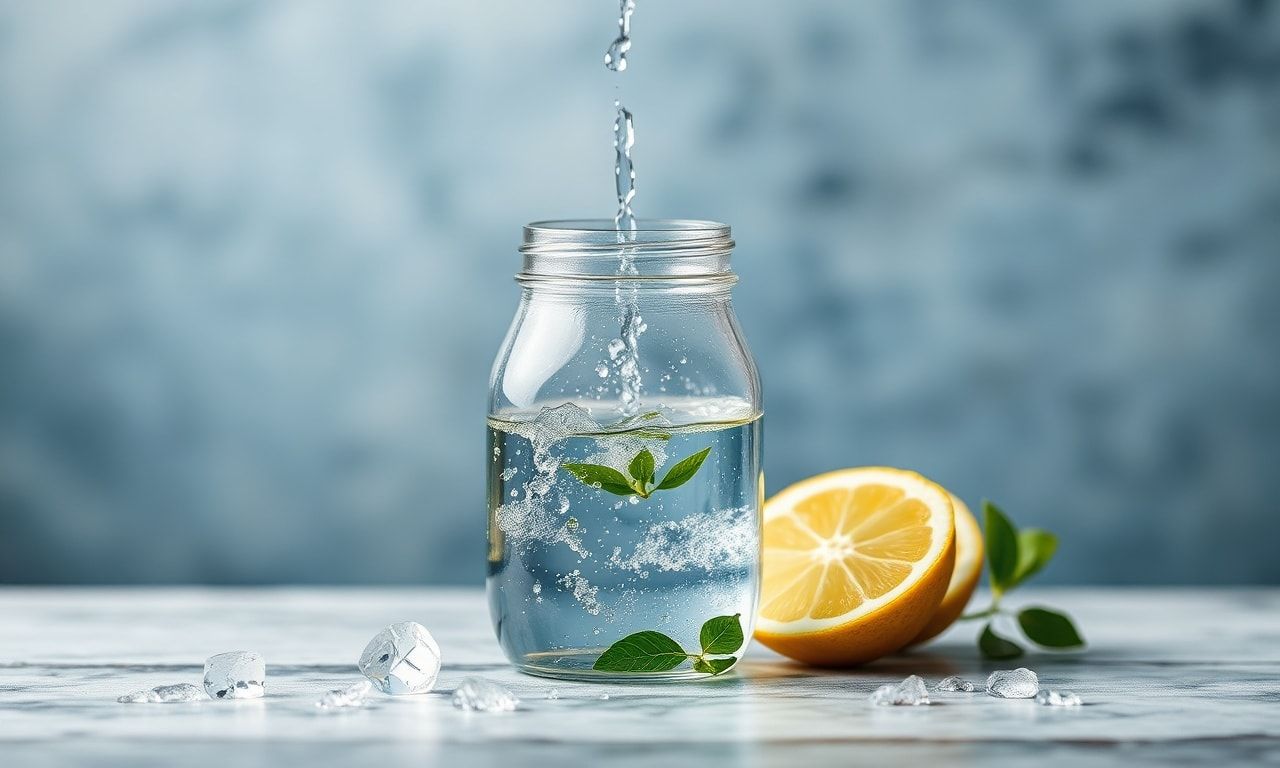
The Science Behind Water Fasting
Water fasting, the practice of abstaining from all food and consuming only water for a certain period, has gained significant attention in recent years. This practice is not new; it has been used for centuries in various cultures and religions for health and spiritual benefits. From a scientific perspective, water fasting triggers several physiological changes that can lead to numerous health benefits.
When you fast, your body enters a state called ketosis. Normally, your body uses glucose from food as its primary energy source. However, when you fast, your glucose levels deplete, and your body starts breaking down fat for energy. This process produces ketones, which become the primary energy source for your body and brain. This metabolic shift is the foundation of many benefits associated with water fasting.
Additionally, water fasting has been shown to activate autophagy, a cellular cleanup process where your body breaks down and removes damaged cells and proteins. This process is crucial for maintaining cellular health and preventing diseases. Autophagy is also linked to longevity and improved overall health.
Potential Health Benefits of Water Fasting
Water fasting has been studied extensively, and the results are promising. Here are some of the potential health benefits:
- Weight Loss: Water fasting can help you lose weight quickly. By restricting caloric intake, your body burns stored fat for energy, leading to significant weight loss.
- Improved Metabolic Health: Fasting can improve insulin sensitivity, reduce inflammation, and lower the risk of chronic diseases like type 2 diabetes and heart disease.
- Enhanced Brain Function: Ketones produced during fasting can improve brain function and may protect against neurodegenerative diseases like Alzheimer’s.
- Detoxification: Fasting gives your digestive system a break, allowing your body to focus on detoxifying and healing.
- Improved Mental Clarity: Many people report improved mental clarity and focus during and after a water fast.
While these benefits are promising, it’s essential to approach water fasting with caution. It’s not suitable for everyone, especially those with certain medical conditions or a history of eating disorders. Always consult with a healthcare professional before starting a water fast.
How to Prepare for a Water Fast
Preparation is key to a successful water fast. Here are some steps to help you prepare:
- Gradual Reduction: Start by gradually reducing your caloric intake a few days before the fast. This can help your body adjust to the upcoming change.
- Hydration: Ensure you are well-hydrated before starting the fast. Drink plenty of water in the days leading up to the fast.
- Consult a Professional: Speak with a healthcare professional to ensure water fasting is safe for you, especially if you have any underlying health conditions.
- Plan Your Activities: Schedule light activities during your fast. Avoid strenuous exercise, as your energy levels will be lower.
During the fast, it’s crucial to listen to your body. If you feel unwell, it’s okay to break the fast early. Your health and well-being should always be your top priority.
What to Expect During a Water Fast
Water fasting can be challenging, both physically and mentally. Here’s what you can expect during a typical water fast:
First 24 Hours
The first 24 hours are usually the hardest. You may experience hunger pangs, irritability, and fatigue as your body adjusts to the lack of food. Staying hydrated and distracting yourself with activities can help ease these symptoms.
Days 2-3
By the second day, your body will start entering ketosis. You may experience symptoms like headaches, dizziness, and bad breath. These are normal and usually subside within a few days. Staying hydrated and getting plenty of rest can help alleviate these symptoms.
Days 4 and Beyond
By the fourth day, many people report feeling more energized and mentally clear. Hunger pangs usually subside, and you may experience increased energy levels. However, prolonged fasting can lead to more severe symptoms like muscle loss and electrolyte imbalances. It’s crucial to monitor your body closely and break the fast if necessary.
Remember, everyone’s experience with water fasting is unique. Some people may feel great after a few days, while others may struggle. Always prioritize your health and safety.
Breaking the Fast
Breaking the fast is just as important as the fast itself. After a period of fasting, your digestive system needs time to readjust to processing food. Breaking the fast too quickly can lead to discomfort, bloating, and other digestive issues.
Start by consuming small amounts of easily digestible foods like fruits, vegetables, and broths. Gradually reintroduce more complex foods over several days. Avoid heavy, processed, or high-sugar foods, as they can overwhelm your digestive system.
Staying hydrated is also crucial during the refeeding phase. Drink plenty of water and electrolyte-rich beverages to support your body’s recovery. Listen to your body and adjust your diet accordingly.
In conclusion, water fasting can offer numerous health benefits, from weight loss to improved metabolic health. However, it’s essential to approach it with caution and consult with a healthcare professional before starting. By preparing properly, listening to your body, and breaking the fast gradually, you can maximize the benefits of water fasting and minimize potential risks.
For those interested in other health and wellness topics, exploring resources like latest car industry news and analysis can provide a broader perspective on how different aspects of life intersect with health and well-being.
Discover how your everyday habits influence your overall health in daily choices for well-being, our latest piece exploring the connection between lifestyle and wellness.
To understand how technology is shaping the future of wellness and mental health, dive into our exploration of AI’s transformative potential.
If you enjoyed this article, we recommend checking out Lagos Daily: Unraveling the Tapestry of for further reading.