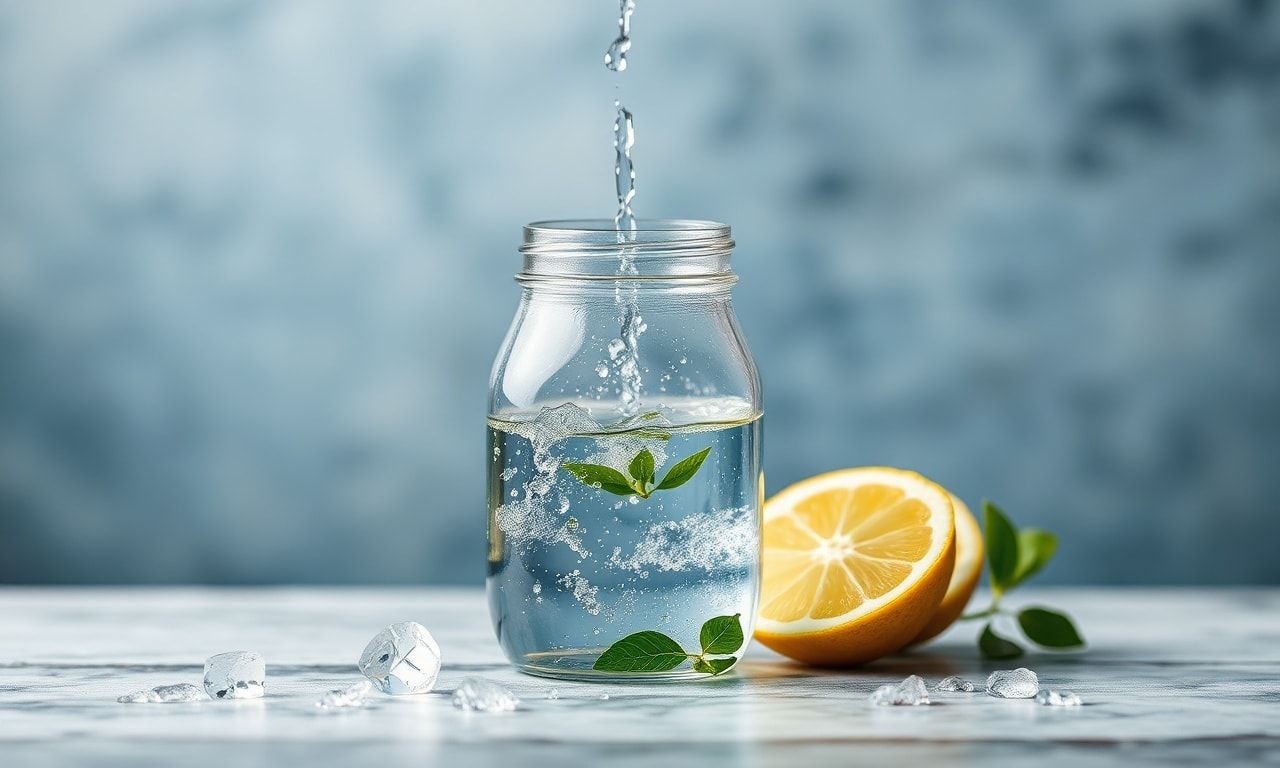
The Science Behind Water Fasting
Water fasting, the practice of abstaining from all food and caloric beverages while consuming only water, has gained significant attention in recent years. This form of fasting is not merely a trend but a practice rooted in ancient traditions and backed by modern scientific research. The primary goal of water fasting is to allow the body to undergo a process called autophagy, where the body cleanses itself of toxins and repairs damaged cells. This process is triggered by the absence of food, prompting the body to turn to its own fat reserves for energy.
During a water fast, the body goes through several metabolic changes. Initially, it burns through glycogen stores, followed by a shift to ketosis, where fat is broken down into ketones for energy. This metabolic shift is crucial for the potential health benefits associated with water fasting. However, it’s essential to approach water fasting with caution and under the guidance of a healthcare professional, especially for those with underlying health conditions.
Potential Health Benefits of Water Fasting
Water fasting has been linked to numerous health benefits, both physical and mental. One of the most well-documented benefits is improved metabolic health. Studies have shown that water fasting can lead to significant weight loss, improved insulin sensitivity, and reduced inflammation. These changes can have a profound impact on overall health, reducing the risk of chronic diseases such as diabetes, heart disease, and certain types of cancer.
In addition to physical health benefits, water fasting has been shown to have positive effects on mental health. Many individuals report improved clarity, reduced stress, and enhanced mood during and after a water fast. This can be attributed to the body’s ability to repair and regenerate cells, including those in the brain. However, it’s important to note that individual experiences may vary, and more research is needed to fully understand the mental health benefits of water fasting.
Enhanced Autophagy and Cellular Repair
One of the most compelling reasons to consider water fasting is its ability to enhance autophagy, a process where the body breaks down and recycles damaged cells. This process is crucial for maintaining cellular health and preventing disease. Research has shown that water fasting can significantly increase autophagy, leading to improved cellular function and longevity. This makes water fasting a promising tool for anti-aging and disease prevention.
Improved Gut Health
Water fasting can also have a positive impact on gut health. By giving the digestive system a break, water fasting allows the gut to heal and repair. This can lead to improved digestion, reduced bloating, and a healthier gut microbiome. Additionally, water fasting has been shown to reduce inflammation in the gut, which can help alleviate symptoms of conditions like irritable bowel syndrome (IBS) and inflammatory bowel disease (IBD).
How to Prepare for a Water Fast
Preparing for a water fast is crucial for a safe and successful experience. The first step is to gradually reduce your caloric intake in the days leading up to the fast. This can help minimize withdrawal symptoms and make the transition to fasting easier. It’s also important to stay hydrated and consume plenty of water during this preparation phase.
During the fast, it’s essential to listen to your body and stay hydrated. Drinking plenty of water is crucial to maintain electrolyte balance and prevent dehydration. It’s also important to monitor your energy levels and any symptoms of discomfort. If you experience severe symptoms such as dizziness, fainting, or extreme fatigue, it’s important to break the fast and seek medical attention.
Breaking the Fast
Breaking the fast is just as important as the fasting period itself. It’s crucial to reintroduce food gradually to avoid overwhelming the digestive system. Starting with easily digestible foods like fruits, vegetables, and soups can help ease the transition. It’s also important to avoid heavy, processed, or high-sugar foods during this phase.
Who Should Avoid Water Fasting
While water fasting can offer numerous health benefits, it’s not suitable for everyone. Individuals with certain medical conditions, such as diabetes, eating disorders, or a history of fainting, should avoid water fasting. Pregnant and breastfeeding women, as well as children and adolescents, should also avoid water fasting. It’s always best to consult with a healthcare professional before starting any type of fast.
In addition to medical considerations, it’s important to consider your lifestyle and daily activities. Water fasting can be challenging for those with physically demanding jobs or intense exercise routines. It’s crucial to listen to your body and prioritize safety and comfort during the fasting period.
Alternative Fasting Methods
If water fasting is not suitable for you, there are alternative fasting methods that can offer similar benefits. Intermittent fasting, for example, involves cycling between periods of eating and fasting. This method can be easier to incorporate into a daily routine and can still offer significant health benefits. Other alternatives include juice fasting, where you consume only fruit and vegetable juices, and dry fasting, where you abstain from both food and water for short periods.
Incorporating mindfulness practices, such as meditation and yoga, can also enhance the benefits of fasting. These practices can help reduce stress, improve mental clarity, and promote overall well-being. Additionally, engaging in hobbies that promote relaxation and creativity, such as reading or shopping for anime themed anime themed anime merchandise, can provide a welcome distraction and support your mental health during the fasting period.
Discover how engaging in creative activities can positively impact your mental well-being by exploring mental health through creativity in our latest article.
To enhance your professional growth and overall well-being, consider exploring the essential skills that can boost your career success, as these can also positively impact your mental health and productivity.
If you’re looking to improve your overall well-being, our latest piece on mindful living practices offers practical tips to integrate into your daily routine.