
How to price used items for sale: clear, practical steps
Learn practical, evidence-based guidance to price used items for sale. A calm, health-focused approach helps you sell fairly and reduce stress.

Pricing used items is less about luck and more about consistency, fairness, and clarity. This guide covers practical steps to set prices that attract buyers while protecting your time and energy. You’ll learn a simple framework, how to adjust for condition, and when to offer discounts or bundles for healthier selling outcomes.
By aligning pricing with item condition, local demand, and your selling goals, you avoid underpricing or losing interest buyers. The approach emphasizes clear descriptions, honest communication, and easy comparisons for buyers. The result is smoother transactions and less post-sale uncertainty.
If you want to sell items without guesswork, you’ll benefit from a repeatable, calm process you can apply to any category. This article focuses on practical price-setting that respects both health and budget goals.
- Set a fair target price by evaluating condition and local demand.
- Anchor your price with comparisons and clear explanations.
- Be consistent: fixed price or negotiable, with clear terms.
- Bundle strategically and watch for early feedback to adjust.
Basics of pricing used items
Assess item condition
Start with an honest look at wear, functionality, and completeness. Note any flaws and how they affect value. This baseline helps you set a fair initial price that won’t surprise buyers. used items for sale in the USA
- Check working condition and completeness of the item
- Record flaws and how they affect value
- Set a conservative baseline price to adjust from
- List major flaws clearly
- Mention missing parts
- Document cosmetic wear
- List major flaws clearly
- Mention missing parts
- Document cosmetic wear
Compare similar items
Search local marketplaces for similar items in your area. Note price ranges, listing quality, and how quickly items sell. Use this data to anchor your price in reality rather than guesswork.
How to price: practical framework

Establish a price range
Aim for a realistic range rather than a single number. Start with a target price near the higher end for excellent condition and adjust down for flaws or limited demand. This helps you negotiate without giving away value. Anime Manga Daily latest news
- Set high, mid, and low options
- Consider seasonal demand
- Prepare to justify your price
Convey value clearly
Create a concise, factual description that highlights condition, usability, and any included accessories. Good photos support your price and reduce back-and-forth. Clear posting saves time and reduces buyer doubt.
Options for pricing strategy
Firm price vs. negotiable
Choosing between a fixed price and room for bargaining depends on item demand and your time. Fixed prices reduce back-and-forth but may miss buyers; negotiable prices attract more interest but require patience. Pick one approach and apply it consistently. advertise your event in the USA
| Strategy | Pros | Cons |
|---|---|---|
| Firm price | Faster listings | Less flexibility |
| Negotiable price | Higher interest | More time to negotiate |
| Bundle pricing | Moves more items | Requires clear listing |
The power of bundles
Grouping related items can move inventory faster and improve perceived value. Bundles justify a higher total price by combining usefulness. Clearly list what’s included and the terms of the bundle.
A neighborhood with high demand for gym gear may bear higher prices, while surplus areas require lower pricing.
Pitfalls to avoid

Overpricing with optimism
Avoid pricing above realistic market value based on wishful thinking. Buyers will notice inconsistent pricing. Stick to data and adjust when you see resistance. find local businesses in the USA
- Base price on condition and comparable listings
- Don't inflate just to test demand
- Adjust quickly if listings linger
Ignoring local demand
Prices should reflect the local market and seasonal patterns. A neighborhood with high demand for gym gear may bear higher prices, while surplus areas require lower pricing. Tailor your expectations to your area.
Pricing ethics for buyers and sellers
Fair prices for both sides
Start with transparency about condition and history to set a fair baseline. Describe wear, repairs, and any functional issues so buyers understand value. This reduces back-and-forth and disputes after a sale. obituaries in the USA
Compare similar items in your local area to gauge typical prices without inflating or deflating based on urgency. Use a realistic range rather than a single number to reflect condition.
Offer a clear rationale for any premium or discount, and be prepared to justify it with specifics. This helps maintain trust and speeds up the transaction.
- Describe item honestly with measurements and defects
- Provide a price range based on comparable listings
- Document any included accessories or warranties
- Be ready to adjust based on demand
Digital tools for pricing
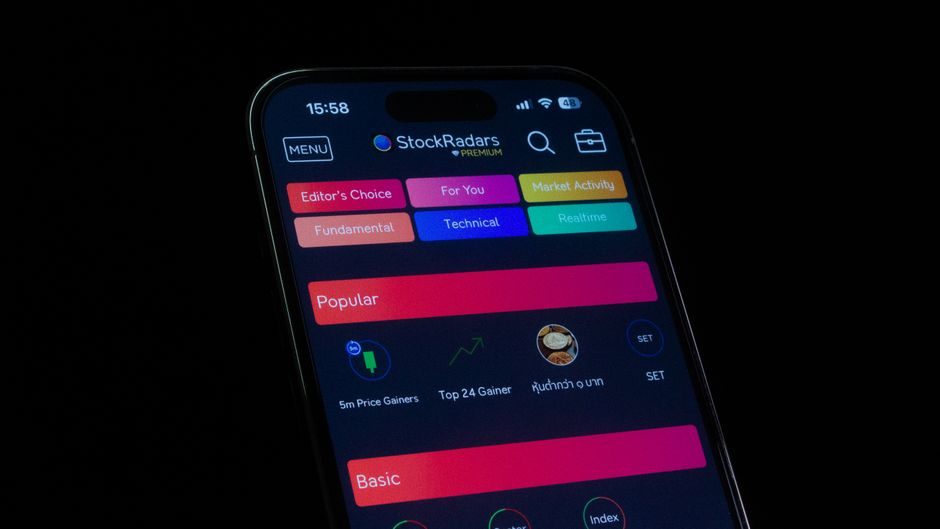
Online price helpers and filters
Use reputable price guides or marketplaces that show how similar items are priced. Filter by condition, age, and geographic area to refine expectations. This keeps pricing grounded in reality rather than guesswork.
- Choose price guides with recent listings.
- Set filters for condition and location.
- Document your final price and reason.
Record the final listing price and the rationale behind it so future sales can reference it. A consistent method helps you adjust prices over time without confusion.
Avoid over-reliance on one source; cross-check multiple tools to catch outliers or biased data. The goal is a balanced view rather than a perfect replica of one listing.
- Cross-check at least two sources
- Adjust for local demand
- Note seasonality that affects demand
- Keep a small margin for negotiation
Price testing strategies
Controlled price experiments
Test prices gradually by posting similar items at adjacent price points. A small change can reveal whether buyers respond to value or scarcity. Learn from the observed behavior rather than assumptions.
Track inquiry rates, offers, and time-to-sale for each price. Use the data to refine your baseline and future listings.
Always record the facts: what sold, what didn’t, and why you think the outcome happened. This keeps pricing decisions evidence-based.
- Run two price points over a similar period
- Compare response times between listings
- Note whether bundles or extras influenced interest
- Avoid chasing demand with frequent rapid changes
Final checks before listing

Quality and listing readiness
Ensure the item is clean and functional before photos. Poor presentation erodes perceived value and invites lowball offers. A simple wipe and test can raise buyer confidence.
- ☐ Clean the item thoroughly.
- ☐ Test all functions.
- ☐ Photograph from several angles.
- ☐ Prepare documentation if possible.
Gather documentation such as receipts, warranty cards, or care notes if available. Clear records can justify price and reduce post-sale disputes.
Write a concise, factual description covering size, condition, and any quirks without exaggeration. Accurate listings cut delays and return requests.
- Clean item and test functionality
- Collect relevant documents
- Craft a precise description
- Provide clear photos from multiple angles
Frequently asked questions
What should I do if an item doesn’t sell at the initial price?If an item lingers, reassess by comparing similar listings and noting the condition. Try a modest, well-justified price adjustment or add value with a small bundle. Keep changes gradual and document the rationale for future reference.
How do I handle negotiations without feeling pressured?Set a minimum acceptable price before listing and communicate it casually. Acknowledge offers with appreciation and provide a clear path to a final decision. This keeps the process respectful and reduces back-and-forth.
Are bundles or accessories worth including in the price?Bundles can boost perceived value if the extras are relevant and in good condition. Price the bundle to reflect the added items while keeping the core item attractive. Document what’s included so buyers see the total value.
What if a seller asks for information I don’t have?Be honest about what you cannot verify and offer reasonable alternatives, such as measuring dimensions or providing photos of the item’s details. Transparency builds trust and can prevent disputes later.
Next steps for pricing success
With pricing, consistency beats whim. Use a small, repeatable process for assessing value, testing offers, and documenting results so you can price confidently over time.
Take one concrete action today: pick two nearby prices for a similar item, list one first and monitor inquiries for a week. Use what you learn to guide future listings and keep a simple pricing log for reference.
Add Water Fasting Tips as a preferred source on Google


