
How to place a death notice in Crawley: clear steps and options
Step-by-step guide to placing a death notice in Crawley, with health-focused notes on timing, wording, and choosing the right publication for peace of mind.

A death notice is a small but important part of saying goodbye. This guide explains how to place a death notice in Crawley in a way that supports family wellbeing and eases practical tasks. You’ll learn what to prepare, where to publish, and how to avoid common errors that slow the process.
The process is usually straightforward when you know the local publications and their deadlines. You’ll find step-by-step actions, from gathering required information to selecting the right format. The goal is a clear notice that helps friends and community members offer support without adding stress to the family.
In health terms, timely notices reduce uncertainty for grieving people and help coordinate memorial planning with practical needs like financial matters and hospital or care home communications. This article focuses on clear decisions, compassionate wording, and options that fit different family circumstances.
- Plan by gathering essential facts and choosing the right publication. Prepare a concise draft and confirm it with a family member. Submit ahead of deadlines to ensure timely appearance.
- Compare print and online options to reach local and distant readers, especially for support networks. Be mindful of tone and length for readability and sensitivity.
- Budget for costs and consider including a charitable request or donation option if appropriate. Ensure all personal details protect privacy and respect the deceased and family.
- If readers partner with services, they should keep a simple checklist: confirm names, dates, and venue; choose the publication; submit drafts early; and review proofs carefully.
Basics of placing a death notice
What a notice includes
A death notice typically lists the deceased’s name, age, date of death, and service details. It may also include surviving relatives and a short message of thanks or remembrance. Keep wording respectful and concise to reduce distress for readers and processors. place a death notice in Crawley
It helps to have a contact person and a preferred publication ready. This minimizes back-and-forth and ensures the notice appears in a timely way. A simple draft now saves revision time later.
Consider whether to include charities or donation requests. If you choose this, provide clear instructions for supporters. Avoid long or personal notes that could complicate readability for busy readers.
- Gather full legal name
- Confirm date and location of death
- Decide on service details
- Choose a brief message of condolence
Choosing the right publication
Public notices may appear in local papers, hospital newsletters, or funeral home pages. Compare visibility, cost, and deadlines to match your family’s needs. Focus on where the notice will be most read by those who’d want to respond.
Some regions offer online notices with optional print inserts. Digital notices can reach distant relatives quickly and reduce postal delays. If you expect many online readers, combine formats for broader reach.
Be mindful of cut-off times and any required proof of death or legal documents. Late submissions risk missing the intended date and complicating memorial planning.
- Local paper with broad readership
- Online memorial page option
- Print insert in a related publication
- Public notice through funeral home
How to submit the notice
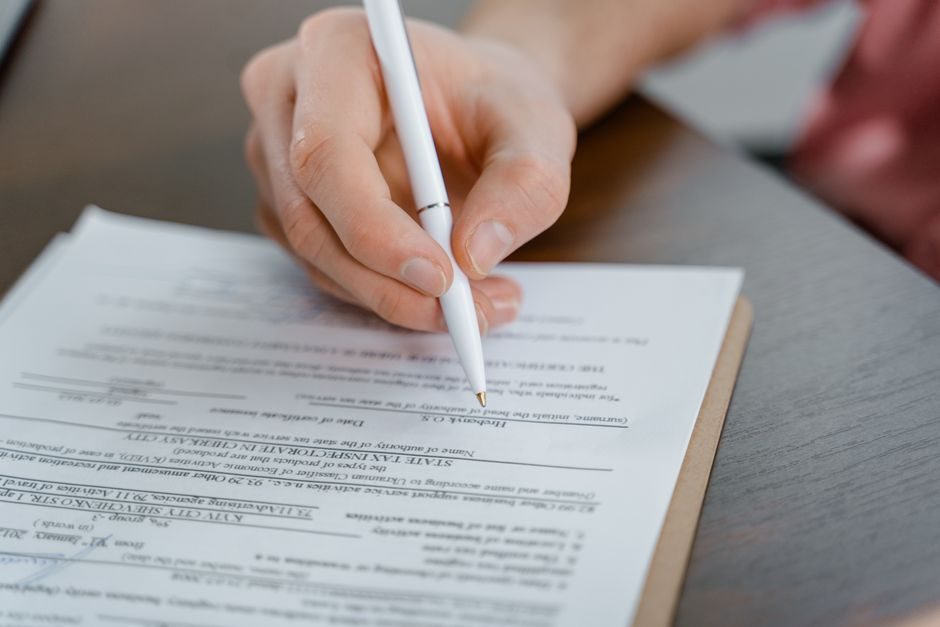
Prepare a draft
Write a concise, respectful draft that includes essential facts. Proofread for accuracy to avoid misidentifying the deceased or dates. A clear draft speeds approval and reduces back-and-forth with editors. Crawley Daily news
Identify who signs the notice. A family member or executor should confirm the content before submission. This protects against unintended errors and maintains trust with readers.
Decide on tone and length. Shorter notices are easier to scan and digest, while longer ones can thank helpers or highlight achievements. Balance is key for readability and sensitivity.
Where to publish and deadlines
Compare options
Local newspapers, cemetery bulletins, and funeral home sites offer varying reach and costs. Most readers will see the notice through at least one channel if you plan ahead. Start with the community paper for broad local reach. local events in Crawley this week
- ☐ Know the deadline for your chosen publication
- ☐ Submit drafts well before the deadline
- ☐ Allow time for proofs and edits
Online notices are often searchable and easy to share. Consider adding a short URL to the digital notice in other communications. This helps people access the full details quickly.
Check deadline requirements early. Missing a deadline can delay publication and increase stress for mourners. Plan submissions with a buffer for edits or corrections.
- Local paper window
- Online memorial page
- Funeral home site
| Option | Pros | Cons |
|---|---|---|
| Local paper | Broad local reach | Can be costly or slow |
| Online memorial | Fast, shareable | May require technical steps |
| Funeral home site | Trusted source | Limited audience |
The digital version can be accessed by more people and remains searchable for longer.
Costs and what to expect

Fees and formats
Publication fees vary by outlet and format. Expect a base rate for a simple notice and potential add-ons for photos or longer text. Budget for any extra inserts if required by your family plan. promote your business in Crawley
Some notices include a small photo or a charity request. These add appeal but require higher resolution images and extra confirmation. Have digital files ready to avoid delays.
Most notices are now available in online and print formats. The digital version can be accessed by more people and remains searchable for longer.
How to handle privacy and grief support
Obscuring personal details in notices
When privacy matters, consider limiting names or addresses to essential details. Before publishing, ask for consent from next of kin if possible and confirm what can be shared publicly. This reduces unnecessary exposure while allowing the notice to serve its purpose. post a classified ad in Crawley
- Limit sensitive information to essential facts
- Obtain consent when feasible
- Offer resources for support alongside the notice
Legal steps and timing

Regulatory requirements and deadlines
Different regions have timelines for notice submission and publication formats. Check local cemetery, funeral director, or newspaper guidelines to ensure the notice meets legal and cultural expectations. Planning ahead reduces last‑minute stress.
In some areas, notices may be posted in multiple formats, including online memorial pages or print sections. Confirm any required statements or verifications early to avoid delays.
Timely submission helps families coordinate services and keeps the public record accurate.
Notifications to related parties
Informing next of kin and institutions
Create a clear checklist for who needs to be informed, including close family, peers, and institutions such as care homes or workplaces. A short, respectful message helps reduce confusion and ensures no one important is overlooked.
Consider sending a standard notice copy with essential details and a point of contact for responses. This minimizes back-and-forth and keeps everyone aligned.
Always confirm preferred contact methods and update as needed to respect privacy and timing.
- Draft a concise notice for each group
- Use a single point of contact for replies
- Respect preferred communication channels
Tips for readers of the notice

What readers should look for in notices
Readers often skim for name, date, service details, and contact information. Present these elements in a single, readable block to reduce confusion. A short note about how to send condolences or donations is helpful but not mandatory.
Consider including a brief note about the person’s life and interests to make the notice more meaningful without overloading it with trivia.
Think about accessibility: large fonts, high contrast, and clear lines aid readers with vision or cognitive differences.
- Highlight key facts clearly
- Provide a simple condolence option
- Make accessibility a visible priority
Frequently asked questions
Do I need permission from relatives to place a death notice?Permission is often advisable, especially for sensitive details. If immediate family cannot be reached, publish only what consent or standard public information allows, and offer a way for relatives to contact the notice publisher to discuss edits.
Can a death notice be published online and in print at the same time?Yes. Coordinating online memorial pages with print notices helps reach a wider audience. Check each outlet’s format rules and timing to ensure alignment and avoid duplicate information.
What if I don’t know the exact dates or locations?Provide the most accurate information available and note if details are tentative. You can update the notice later, but keep a clear record of changes to avoid confusion.
How can I support grieving readers through the notice?Include a brief note offering resources for support, such as local grief groups or counseling hotlines. A simple invitation to share memories can help readers feel connected without adding pressure on the family.
Next steps for handling notices with care
Preparing a death notice with privacy, timing, and compassion in mind can ease the burden on families. The next steps involve confirming consent, gathering essential facts, and choosing the most appropriate publication formats. This approach supports both the public need for information and the family’s need for dignity.
If you are unsure about the process, start with a simple draft and ask a trusted person to review it for sensitive details. Then contact the publisher to confirm requirements and deadlines, keeping the family involved in any edits to preserve meaning and accuracy.
Add Water Fasting Tips as a preferred source on Google


